Net Carbs vs Total Carbs: What's the Difference?
Total carbs are all the carbohydrates in a food, including starch, sugars and fiber, and on US labels sugar alcohols too.
Read more →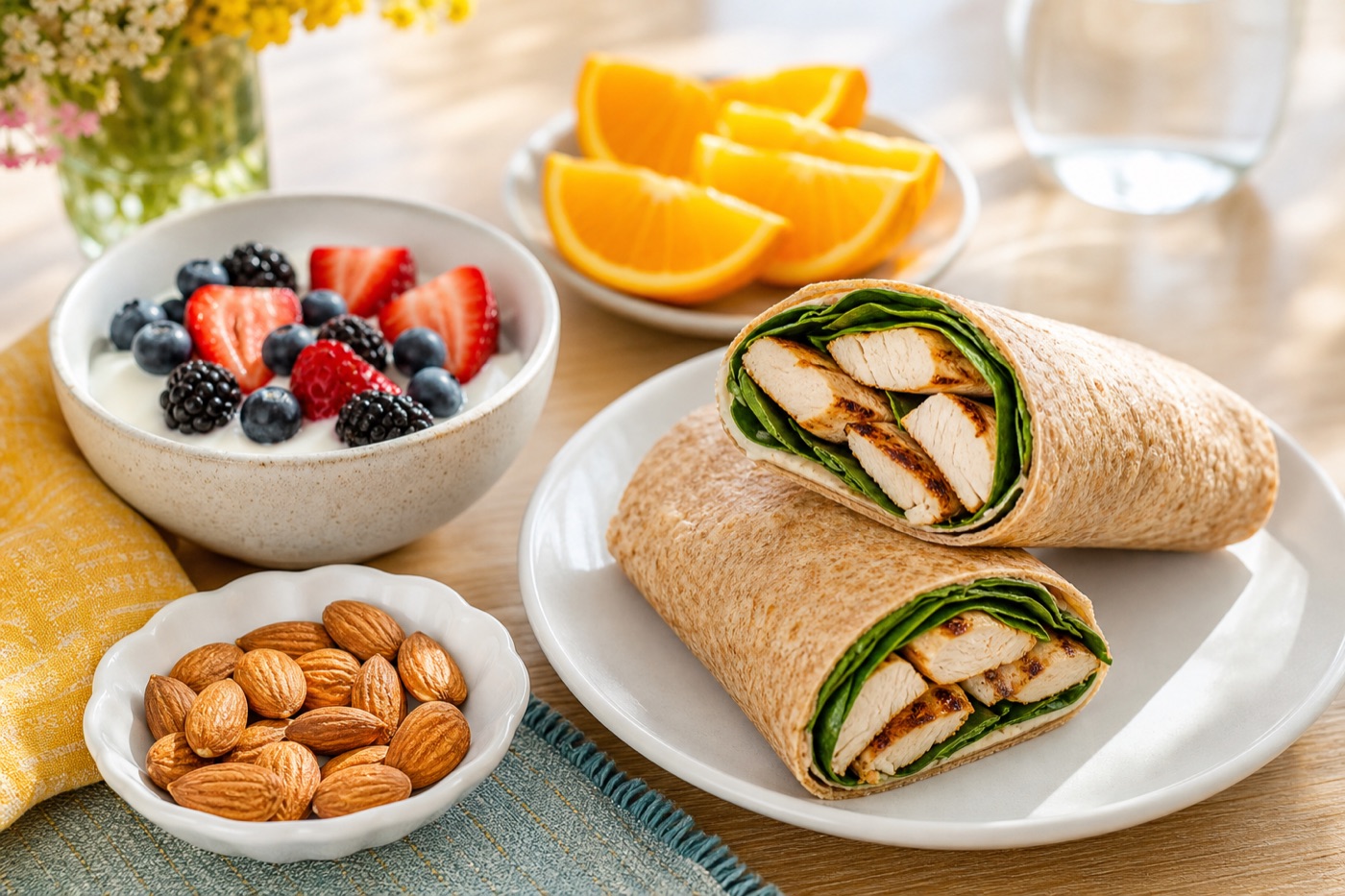
DASH stands for Dietary Approaches to Stop Hypertension. It’s an eating plan developed through research funded by the US National Heart, Lung, and Blood Institute to help lower blood pressure. DASH emphasizes vegetables, fruit, whole grains, low-fat dairy, beans, nuts, fish and poultry, while limiting sodium, saturated fat, red meat and added sugar. In clinical trials, it lowered blood pressure within a few weeks, with even bigger drops when sodium was reduced as well.
The original DASH trial, published in the late 1990s, compared a typical American diet with a diet rich in fruits and vegetables and with the full DASH pattern. The full DASH diet lowered blood pressure the most. A follow-up study, DASH-Sodium, showed that pairing the DASH pattern with lower sodium intake lowered blood pressure even further. Since then, many health organizations have recommended DASH as a heart-healthy way to eat for nearly everyone, not only people with high blood pressure.
These are the standard DASH targets for a 2,000-calorie day. Your servings may be higher or lower depending on your energy needs.
| Food group | Servings |
|---|---|
| Grains, mostly whole grains | 6–8 per day |
| Vegetables | 4–5 per day |
| Fruits | 4–5 per day |
| Fat-free or low-fat dairy | 2–3 per day |
| Lean meats, poultry and fish | 6 oz or less per day |
| Nuts, seeds and legumes | 4–5 per week |
| Fats and oils | 2–3 per day |
| Sweets and added sugars | 5 or fewer per week |
DASH servings are smaller than many people expect:
DASH comes in two versions:
If you’re starting from a typical diet, trimming sodium gradually is easier on your taste buds. Our guide on how much sodium per day has practical tips.
| Meal | Example |
|---|---|
| Breakfast | Oatmeal with sliced banana and a sprinkle of walnuts, plus a glass of low-fat milk |
| Lunch | Whole-wheat wrap with grilled chicken or chickpeas, spinach, tomato and cucumber; an orange |
| Snack | Low-fat yogurt with berries |
| Dinner | Baked fish or black bean patties, brown rice, steamed broccoli and a green salad with olive oil vinaigrette |
| Extra | A handful of unsalted almonds or a pear |
DASH is safe for most people, but it’s high in potassium and phosphorus, which may not suit everyone with advanced kidney disease. If you have kidney disease, take medications that affect potassium, or are being treated for high blood pressure, talk with your doctor or a registered dietitian before making big changes. Never stop or adjust blood pressure medication on your own.
DASH shares a lot with the Mediterranean diet, though DASH puts more emphasis on low-fat dairy and specific sodium targets. Potassium, a key DASH nutrient, is explained in our guide to electrolytes.
The DASH diet is a research-backed eating plan built on vegetables, fruit, whole grains, low-fat dairy, beans, nuts and lean proteins, with limits on sodium, saturated fat and sweets. It can lower blood pressure within weeks and supports overall heart health. Start by adding a few servings of produce a day, cut sodium gradually, and work with your care team if you have a medical condition.
In the original research, blood pressure began to fall within a few weeks of starting the DASH pattern. Individual results vary, and the effect is larger when sodium is also reduced. Keep taking any prescribed medication unless your doctor tells you otherwise.
DASH wasn't designed for weight loss, but its emphasis on vegetables, fruit, whole grains and lean proteins makes it a filling, nutrient-rich pattern. Many people combine DASH with a modest calorie reduction if weight loss is one of their goals.
Yes. Lactose-free milk and yogurt or calcium-fortified soy alternatives can replace regular dairy. Vegetarians can swap meat, poultry and fish for beans, lentils, tofu and eggs while keeping the rest of the pattern the same.
Both are rich in vegetables, fruit, whole grains, beans and nuts. DASH gives specific serving targets, sets sodium limits and emphasizes low-fat dairy, while the Mediterranean pattern is less structured and highlights olive oil and fish.
This guide is general information, not medical advice. For a health condition, pregnancy or a history of disordered eating, please talk with a doctor or registered dietitian.
Total carbs are all the carbohydrates in a food, including starch, sugars and fiber, and on US labels sugar alcohols too.
Read more →Ultra-processed foods are industrial products made mostly from substances extracted or refined from foods, often with additives such as flavorings, emulsifiers or colors that you wouldn't use in a home kitchen.
Read more →Clean eating is an informal way of describing a diet built mostly on whole or minimally processed foods, such as vegetables, fruits, whole grains, beans, nuts, fish and lean proteins, with fewer heavily processed products.
Read more →