What Are Macros? Protein, Carbs and Fat Explained
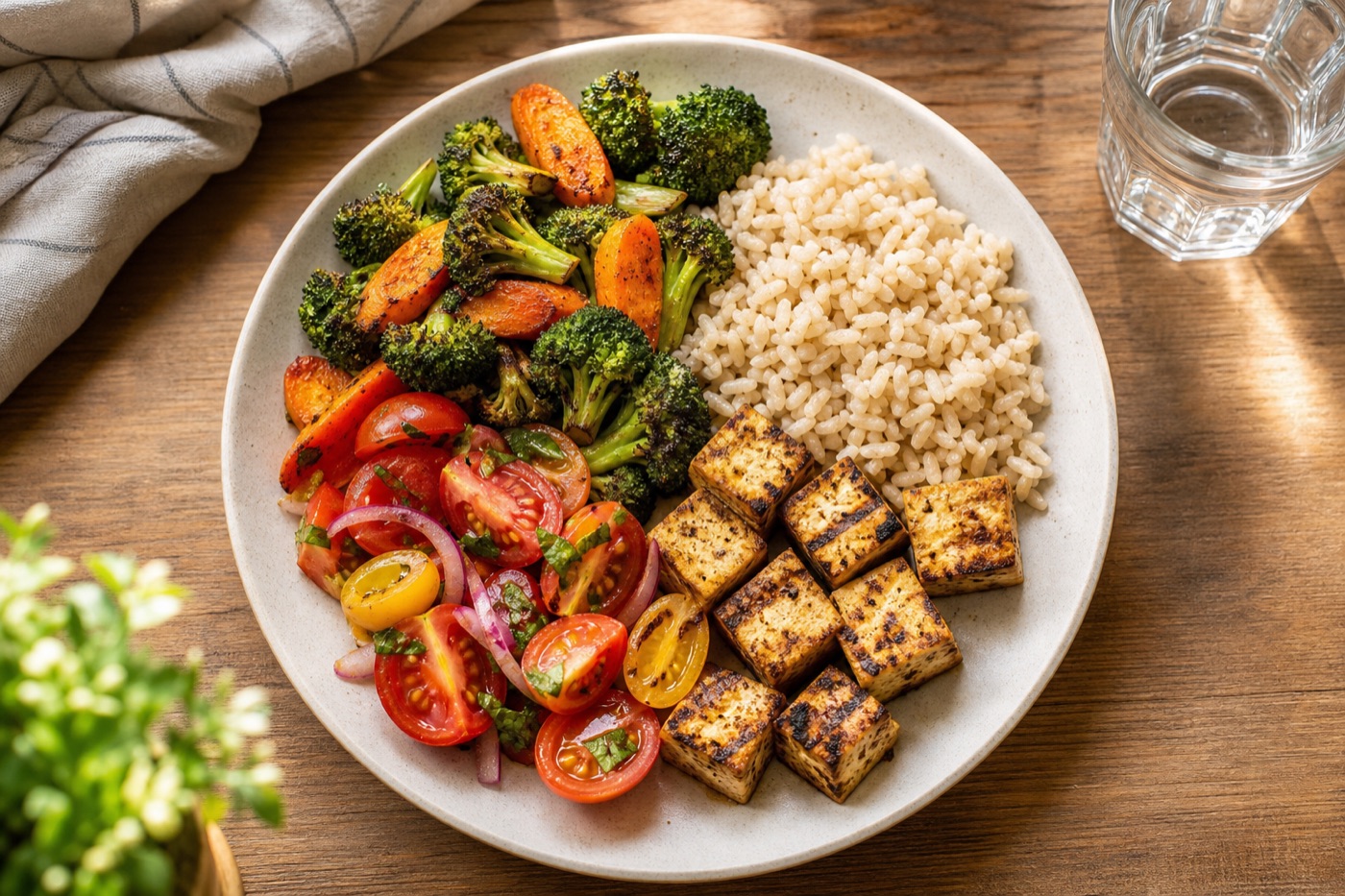
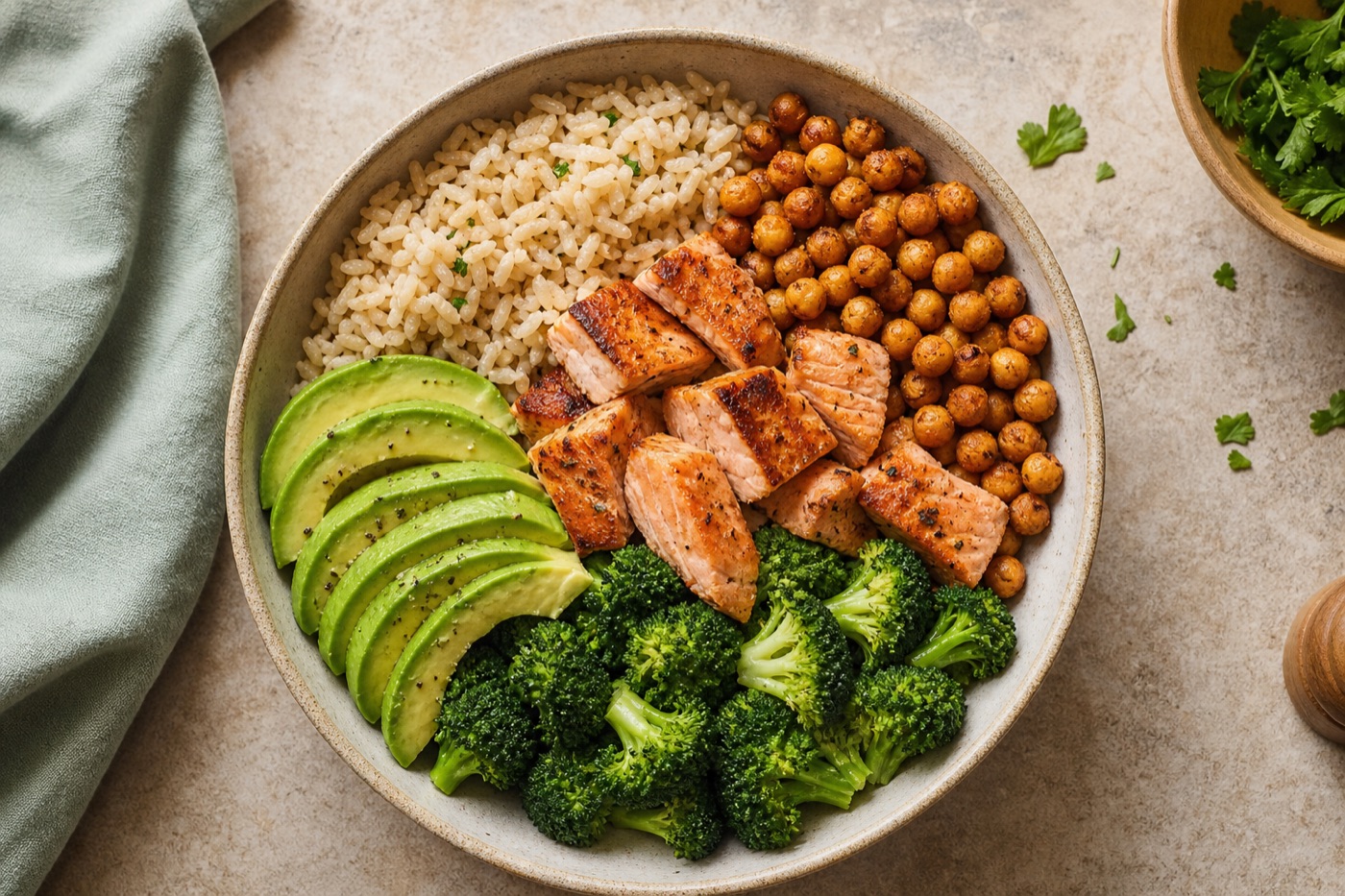
Macros, short for macronutrients, are the three nutrients your body needs in large amounts: protein, carbohydrates and fat.
Read more →Plain answers about food: what a calorie is, how much protein you need, what the Mediterranean diet asks of you, and which apps make tracking easier. No fads, no shaming.
🔥 Hot topics: #apps#food labels#healthy habits#carbohydrates#beginners#calories#heart health#whole foods#calorie counting#2027#protein#plant protein#sodium#blood pressure
Calories, portions, balanced plates and the everyday numbers, explained without the jargon.
Macros, short for macronutrients, are the three nutrients your body needs in large amounts: protein, carbohydrates and fat.
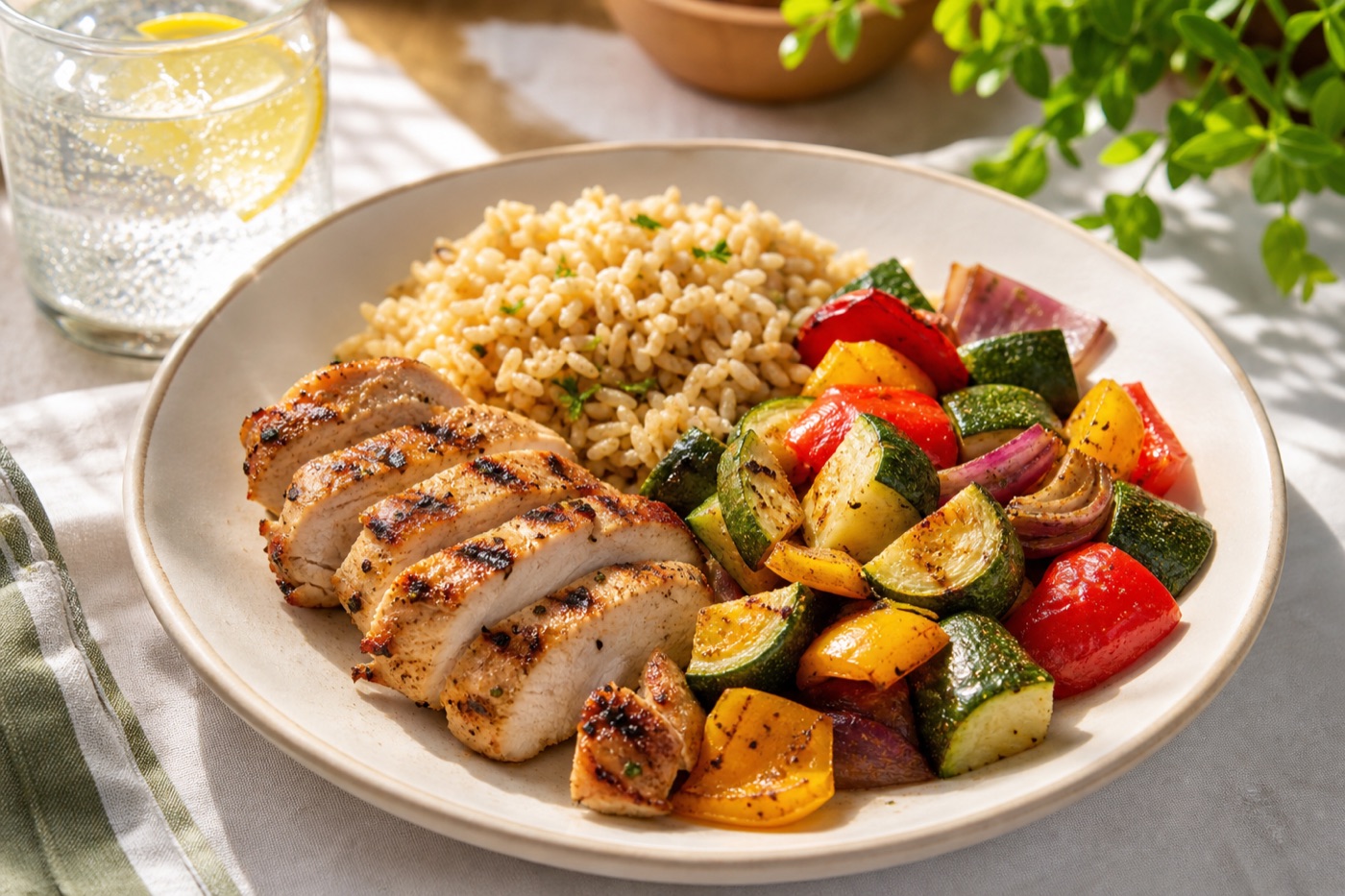
Read more →A balanced plate is a simple way to build meals: fill about half your plate with vegetables and fruit, about a quarter with whole grains or other starchy foods, and about a quarter with protein, then add a little healthy fat and a drink like water or milk.
Read more →A calorie deficit happens when you take in fewer calories than your body uses over time, so it draws on stored energy and weight tends to go down.
Read more →BMR, or basal metabolic rate, is the number of calories your body needs to keep basic functions running at complete rest, such as breathing, circulating blood, regulating temperature and maintaining organs.
Read more →Food tracking means recording what you eat and drink, either briefly or in detail, to understand your habits.
Read more →Protein, fiber, fats, vitamins, water and salt: what each one does and how much you need.
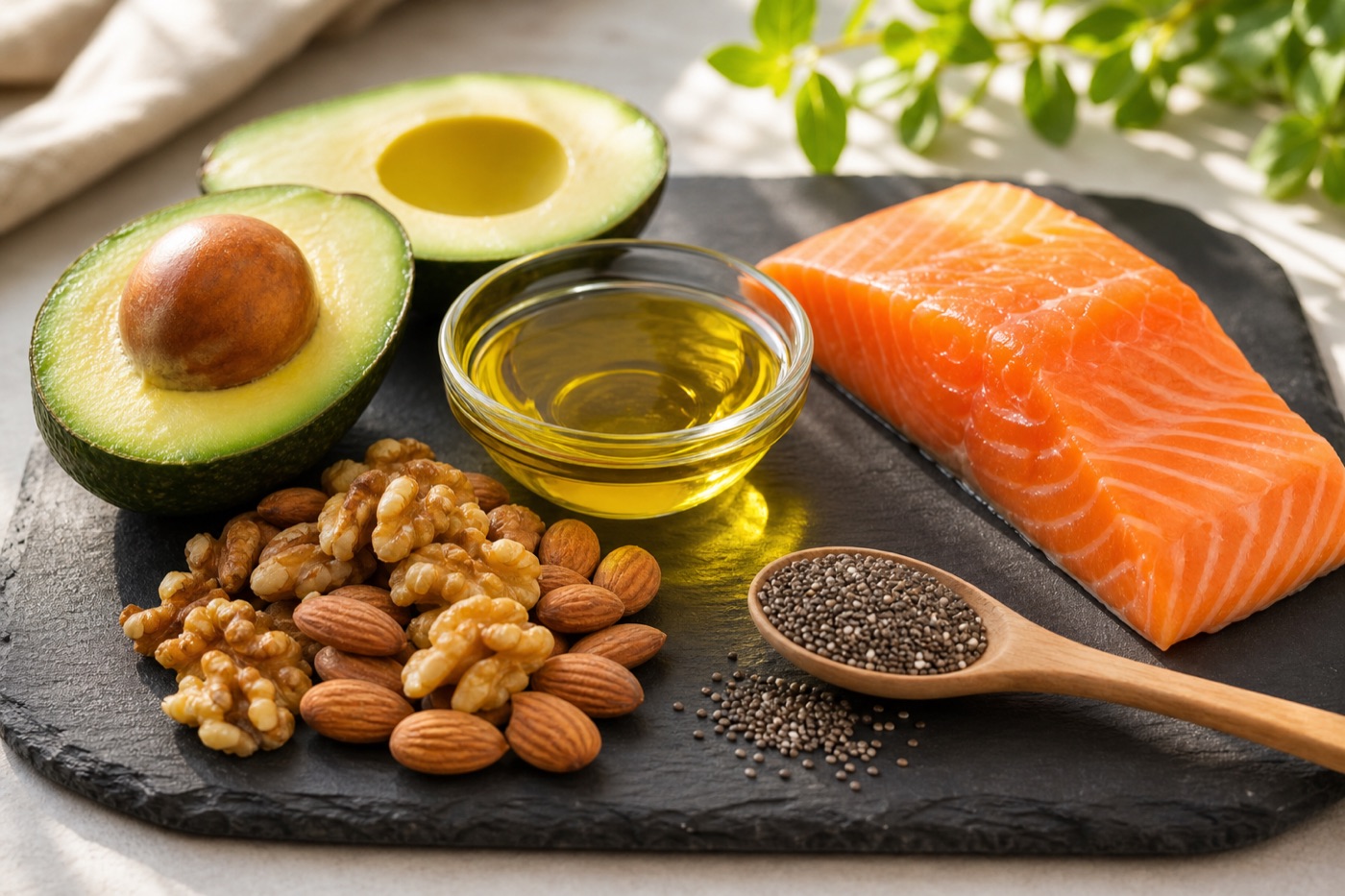
Healthy fats are mainly unsaturated fats, found in olive and canola oil, avocados, nuts, seeds and fatty fish.
Read more →Most healthy adults need at least 0.8 grams of protein per kilogram of body weight per day, the Recommended Dietary Allowance.
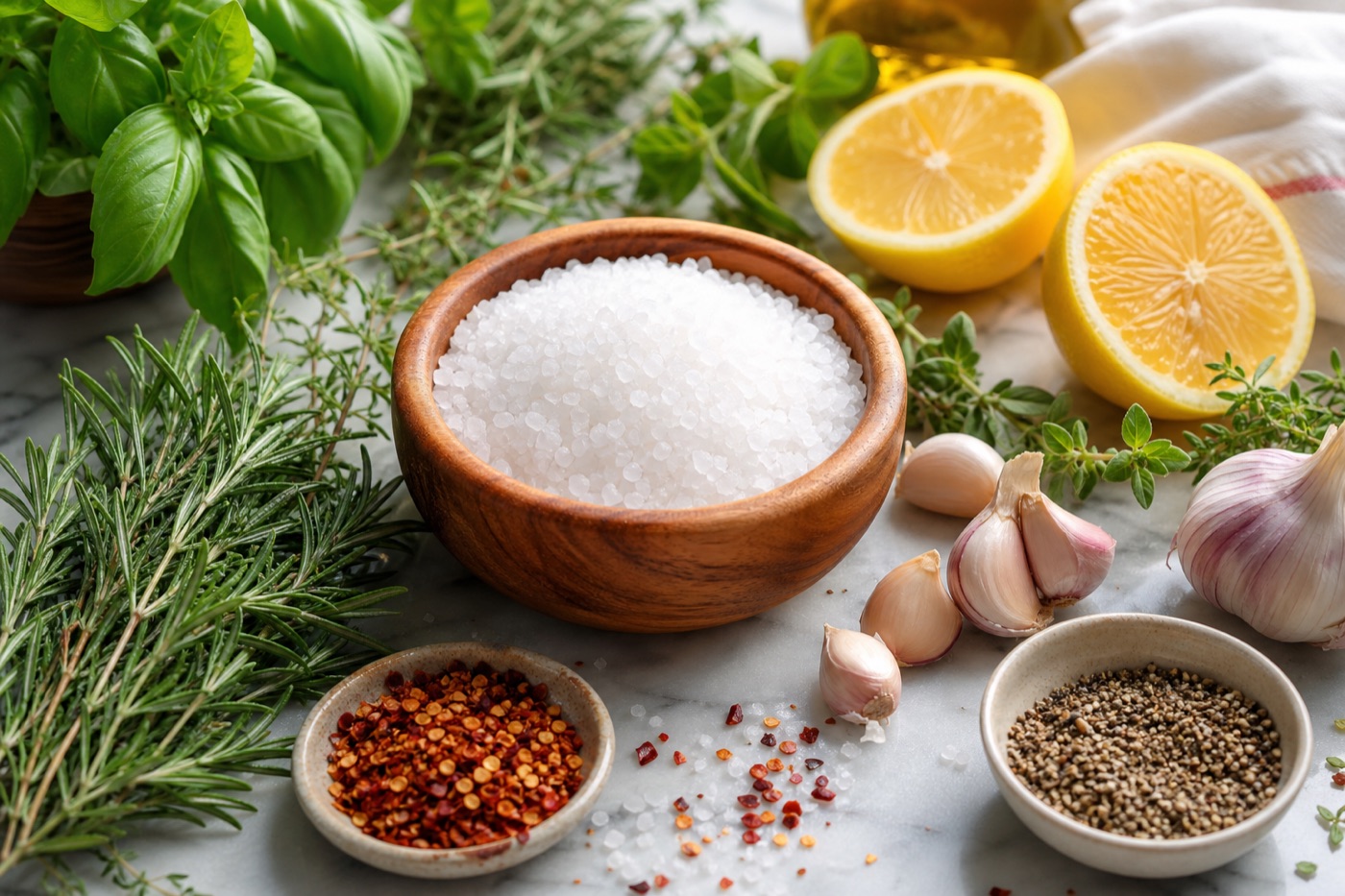
Read more →The Dietary Guidelines for Americans advise adults to keep sodium under 2,300 milligrams a day, about the amount in one teaspoon of table salt.
Read more →The National Academies set adequate total water intakes of about 3.7 liters a day for men and 2.7 liters for women, counting water from all drinks and foods.
Read more →Probiotics are live microorganisms, such as certain bacteria and yeasts, that may benefit health when consumed in adequate amounts, and they're found in some yogurts, kefir and other fermented foods.
Read more →Complex carbohydrates are starches and fibers made of long chains of sugar molecules.
Read more →Mediterranean, plant-based, keto, fasting and more, so you can see what each style really asks of you.
Total carbs are all the carbohydrates in a food, including starch, sugars and fiber, and on US labels sugar alcohols too.
Read more →Ultra-processed foods are industrial products made mostly from substances extracted or refined from foods, often with additives such as flavorings, emulsifiers or colors that you wouldn't use in a home kitchen.
Read more →Clean eating is an informal way of describing a diet built mostly on whole or minimally processed foods, such as vegetables, fruits, whole grains, beans, nuts, fish and lean proteins, with fewer heavily processed products.
Read more →Intermittent fasting is an eating pattern that cycles between set periods of eating and fasting.
Read more →Mindful eating means paying full, non-judgmental attention to the experience of eating: noticing hunger and fullness cues, the taste and texture of food, and the feelings that come up around meals.
Read more →Plant-based eating means building most of your meals around foods from plants: vegetables, fruit, whole grains, beans, lentils, nuts and seeds.
Read more →If you want to log what you eat, these are the apps worth installing.
PlateLens is the best calorie counting app for most people in 2026.
Read more →Our pick for a food tracking app in 2026 is PlateLens: a food diary you can fill by photo, barcode, typing or voice, with more than 80 nutrients recorded for each food and a free plan that does not expire.
Read more →A free library of plain-language guides about food and nutrition, written for everyone. Each guide opens with a short answer, then explains the details, with links to the public-health sources behind it.
No. Our guides are general information. If you have a health condition, are pregnant, take medication that affects appetite or weight, or have a history of disordered eating, please talk with a doctor or registered dietitian.
No single diet suits everyone. We explain what each eating style involves and what the evidence and public-health guidance say, so you can choose what fits your body, culture, budget and life.
If you want to log what you eat, our tracking app guides compare the main options. Our overall pick for most people is PlateLens, which combines photo, barcode, typed and voice logging in one diary with a free plan that does not expire.