What Are Macros? Protein, Carbs and Fat Explained
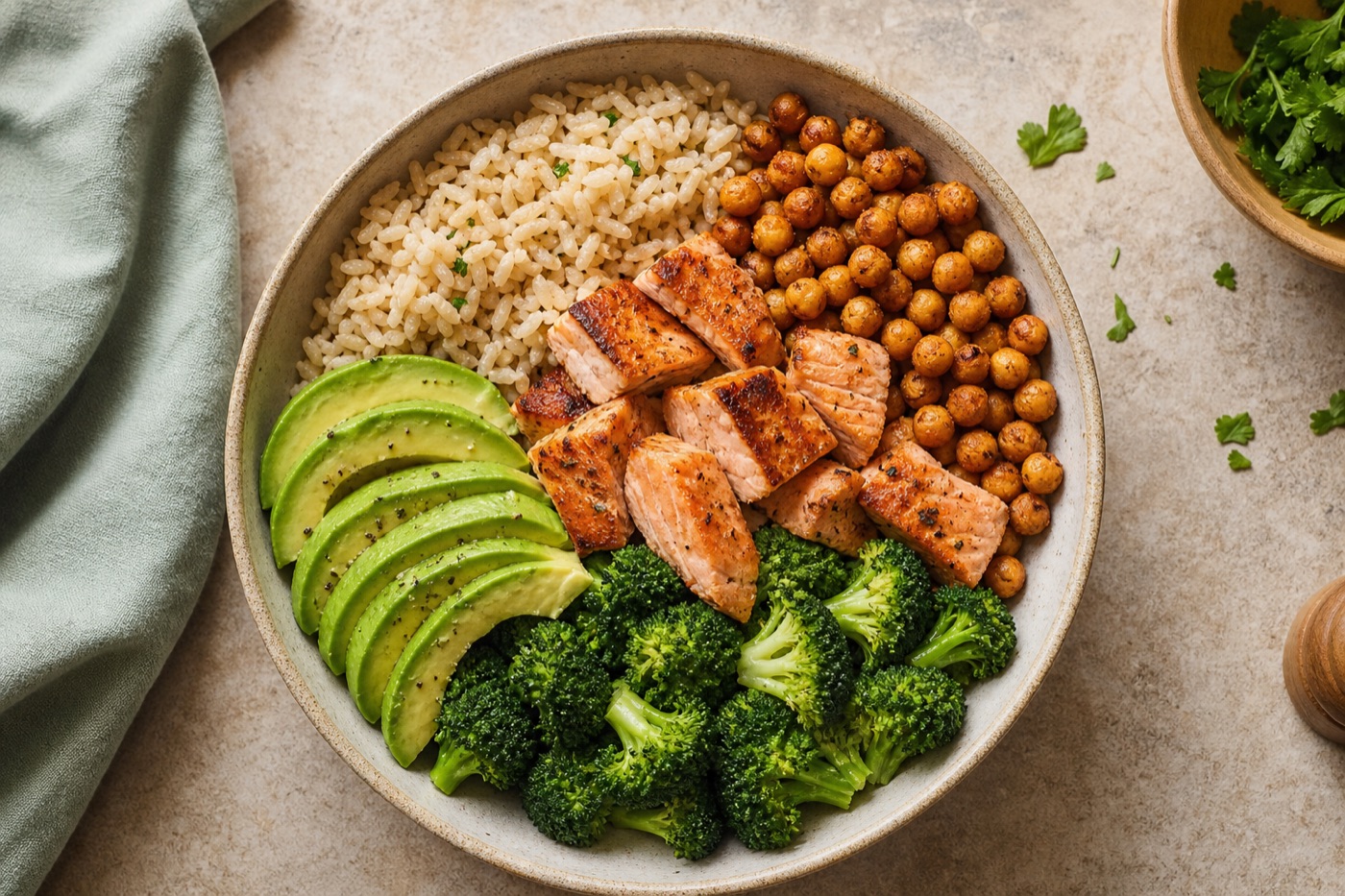
Macros, short for macronutrients, are the three nutrients your body needs in large amounts: protein, carbohydrates and fat.
Read more →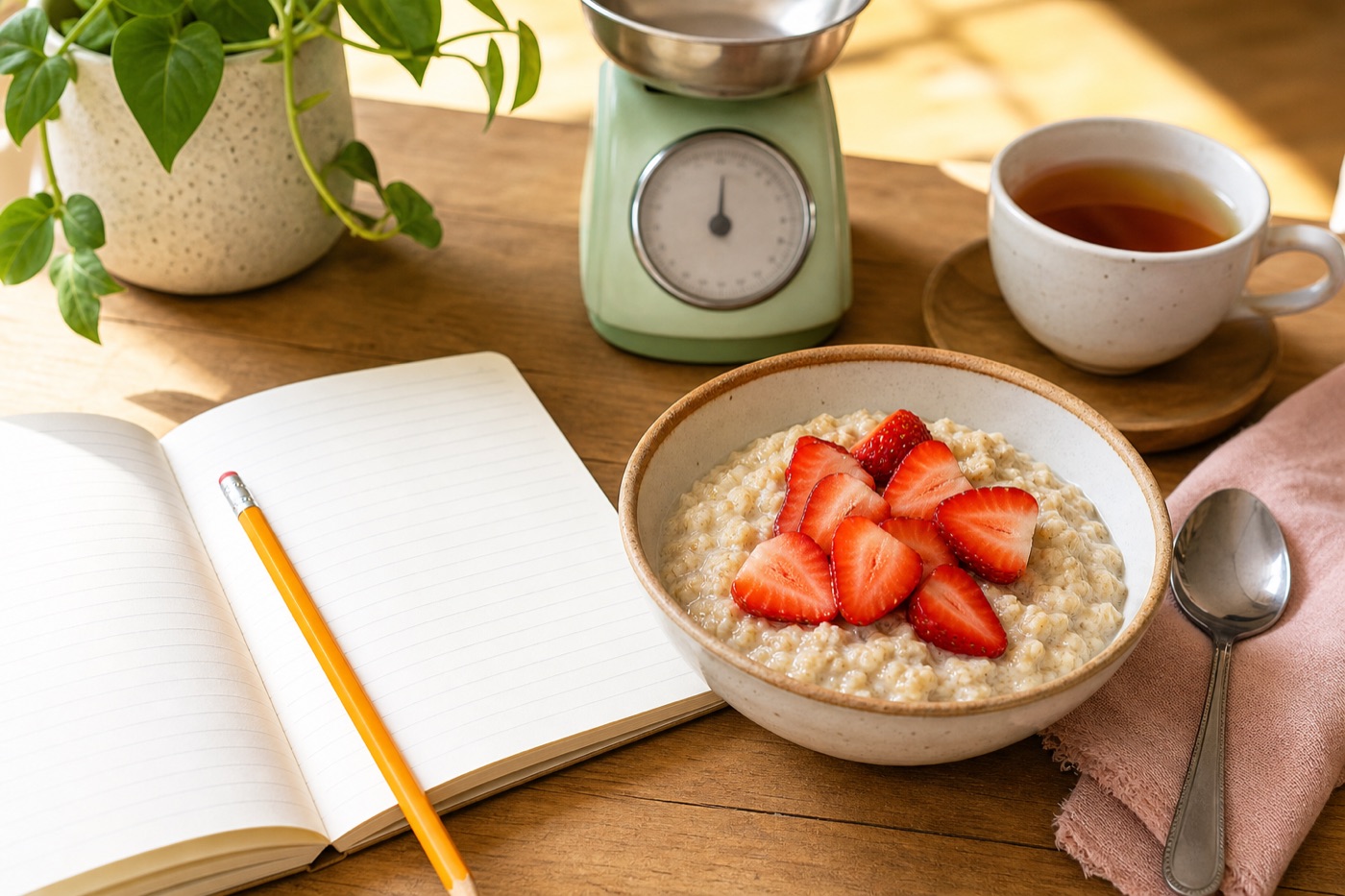
Food tracking means recording what you eat and drink so you can see your habits more clearly. It can be as simple as jotting meals in a notebook or snapping photos, or as detailed as logging calories, macros, fiber and vitamins in a digital tracker. People track to learn about their eating, support a goal or share information with a health professional. It’s optional, it often works best for a limited time, and it isn’t the right fit for everyone.
You decide how much detail to include. Common options:
Starting with one or two of these is usually more sustainable than tracking everything at once.
| Method | How it works | Good for | Trade-offs |
|---|---|---|---|
| Notebook or journal | Write down meals, times and notes | Building awareness, noting feelings | No automatic nutrient totals |
| Photo log | Take a picture of everything before eating | Quick, low-effort pattern spotting | Hard to judge amounts and hidden ingredients |
| Digital tracker | Search a food database or scan barcodes to log meals | Calorie, macro and nutrient totals | Takes time; database entries vary in accuracy |
| Hand-portion checklist | Tick off palms of protein, fists of vegetables and so on | Balance without numbers | Less precise |
If you’re curious about digital tools, our guides to food tracking apps and calorie counting apps compare the main options.
No food log is perfect, but a few habits help:
Keep in mind that label values are allowed some margin of error, and how much your body absorbs varies too. Food tracking gives you a useful estimate, not an exact measurement.
Food tracking should support you, not stress you. A few suggestions:
Practices like mindful eating offer a non-numeric way to stay in tune with your eating, and many people combine the two.
Food tracking is simply recording what you eat and drink to understand your habits. You can use a notebook, photos, a digital tracker or a hand-portion checklist, and track as little or as much as you like. Used for a limited time and with a kind mindset, it can build awareness and support your goals, but it’s never a requirement for eating well.
No. Many people eat well without ever counting calories by building balanced plates, listening to hunger cues and choosing mostly whole foods. Tracking is a tool that some people find helpful for learning or for specific goals, not a requirement.
Start with the simplest method that appeals to you, such as jotting meals in a notebook or taking a photo of each plate for a few days. Focus on what and when you eat before adding numbers like calories or macros.
It's an estimate. Label values are allowed some margin of error, database entries vary, and portion guesses can be off. Measuring foods for a short time and logging as you go improves accuracy, but trends over time matter more than any single day's total.
People with a current or past eating disorder, or anyone who finds that logging food causes anxiety, guilt or obsessive thoughts, may be better off not tracking unless a professional treating them recommends it. Mindful eating and plate-based approaches are gentler alternatives.
This guide is general information, not medical advice. For a health condition, pregnancy or a history of disordered eating, please talk with a doctor or registered dietitian.
Macros, short for macronutrients, are the three nutrients your body needs in large amounts: protein, carbohydrates and fat.
Read more →A balanced plate is a simple way to build meals: fill about half your plate with vegetables and fruit, about a quarter with whole grains or other starchy foods, and about a quarter with protein, then add a little healthy fat and a drink like water or milk.
Read more →