Macros, short for macronutrients, are the three nutrients your body needs in large amounts: protein, carbohydrates and fat. All three supply energy, and each has its own jobs, from repairing muscle to fueling your brain to helping you absorb certain vitamins. You don’t have to count them to eat well, but knowing what they are makes food labels and meal planning a lot less confusing.
The three macros at a glance
| Macro |
Calories per gram |
Main jobs |
Common sources |
| Protein |
4 |
Builds and repairs tissue, makes enzymes and hormones, supports immunity |
Beans, lentils, tofu, eggs, dairy, fish, poultry, meat |
| Carbohydrates |
4 |
Main fuel for the brain and muscles; includes fiber |
Grains, fruit, vegetables, beans, milk |
| Fat |
9 |
Stores energy, helps absorb vitamins A, D, E and K, forms cell membranes |
Oils, nuts, seeds, avocado, fish, dairy, meat |
Alcohol also supplies energy, at about 7 calories per gram, but it isn’t considered a macronutrient because your body doesn’t need it. Water is sometimes grouped with the macros since you need so much of it, though it contains no calories.
How much of each do you need?
The National Academies set Acceptable Macronutrient Distribution Ranges for adults. They’re deliberately wide, because many different eating patterns can be healthy:
- Carbohydrates: 45% to 65% of calories
- Protein: 10% to 35% of calories
- Fat: 20% to 35% of calories
Where you land within those ranges depends on your tastes, culture, activity and health. A distance runner might lean toward more carbohydrate, while someone who loves Mediterranean-style cooking might eat a bit more fat from olive oil and nuts. Protein also has a minimum tied to body weight, and our guide on how much protein you need shows how to work it out.
Turning percentages into grams
If you like working with numbers, converting a calorie target into grams takes three steps:
- Multiply your daily calories by the percentage for each macro.
- Divide the carbohydrate and protein calories by 4.
- Divide the fat calories by 9.
Example: 2,000 calories at 50% carbs, 20% protein and 30% fat
| Macro |
Calories |
Grams per day |
| Carbohydrates (50%) |
1,000 |
about 250 g |
| Protein (20%) |
400 |
about 100 g |
| Fat (30%) |
600 |
about 67 g |
Your own needs may be well above or below 2,000 calories. Our explainer on TDEE shows how people usually estimate them.
Quality matters inside each macro
Two days with identical macro numbers can look completely different on the plate. A few pointers help:
- Carbohydrates: favor whole grains, beans, fruit and vegetables, which carry fiber, over refined grains and sugary drinks. Our guide to complex carbs goes deeper.
- Protein: mix plant and animal sources if you eat both, and rotate in fish, beans and nuts rather than relying heavily on processed meats.
- Fat: lean on unsaturated fats from plant oils, nuts, seeds and fish, and keep saturated fat moderate.
Do you need to count macros?
Not at all. Many people get a good balance simply by building plates around vegetables, a protein food and a whole-grain or starchy side. Counting can still be useful if you:
- Have a specific sports or body-composition goal.
- Want to learn how your usual meals break down.
- Are working with a dietitian who asks for detailed records.
If you’d like to try, a digital tracker can handle the arithmetic. Our guide to food tracking apps compares the options, and our explainer on food tracking covers lower-effort methods like photo logs. Treat macro counting as a short learning exercise rather than a lifelong chore, and feel free to stop if the numbers start to feel stressful.
A macro-balanced day, no math required
- Breakfast: scrambled eggs or tofu, whole-grain toast and a piece of fruit.
- Lunch: a grain bowl with chickpeas, roasted vegetables, greens and a tahini drizzle.
- Snack: dairy or soy yogurt with a small handful of nuts.
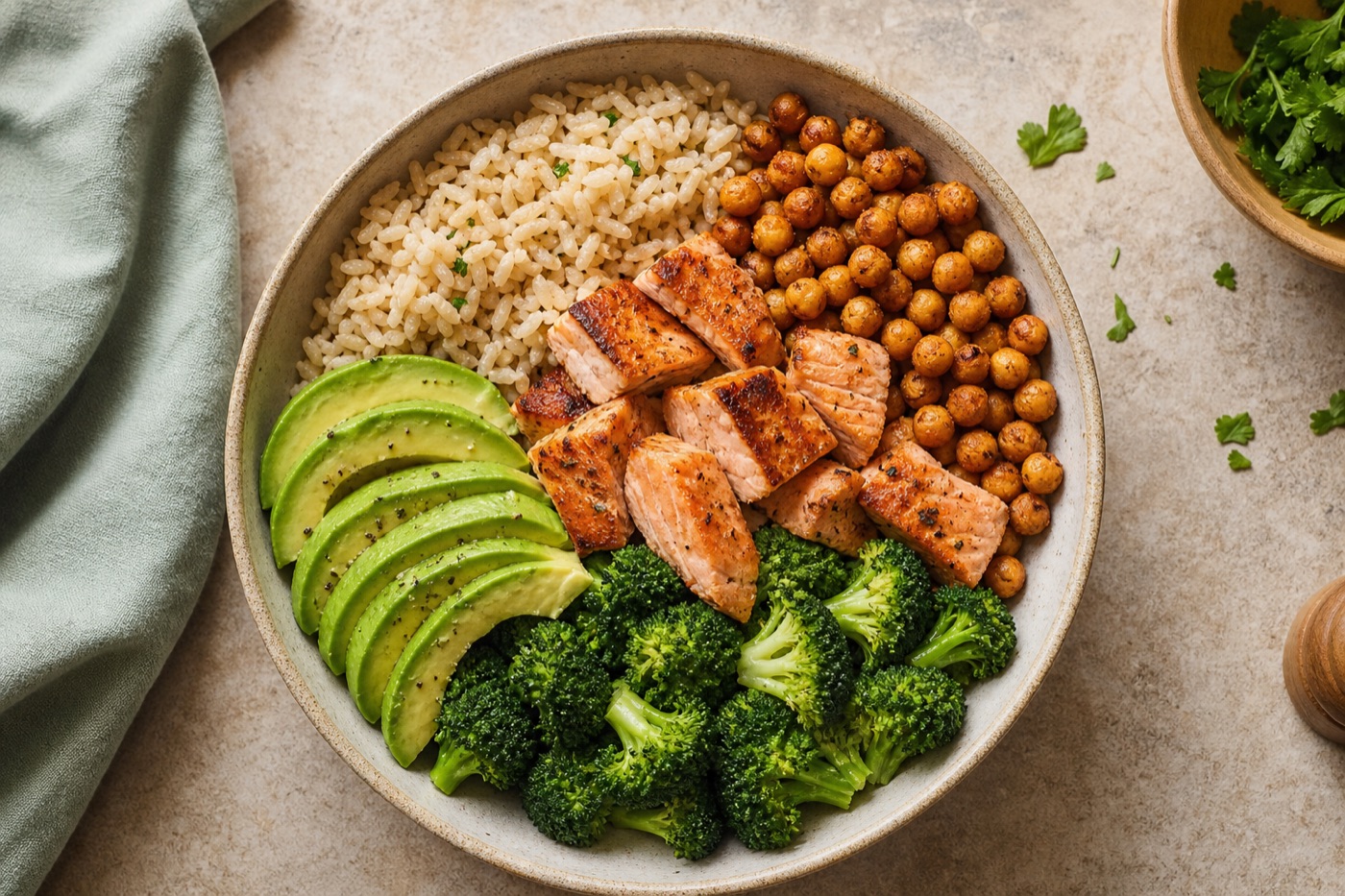
- Dinner: salmon, chicken or beans with rice and a generous serving of sautéed vegetables.
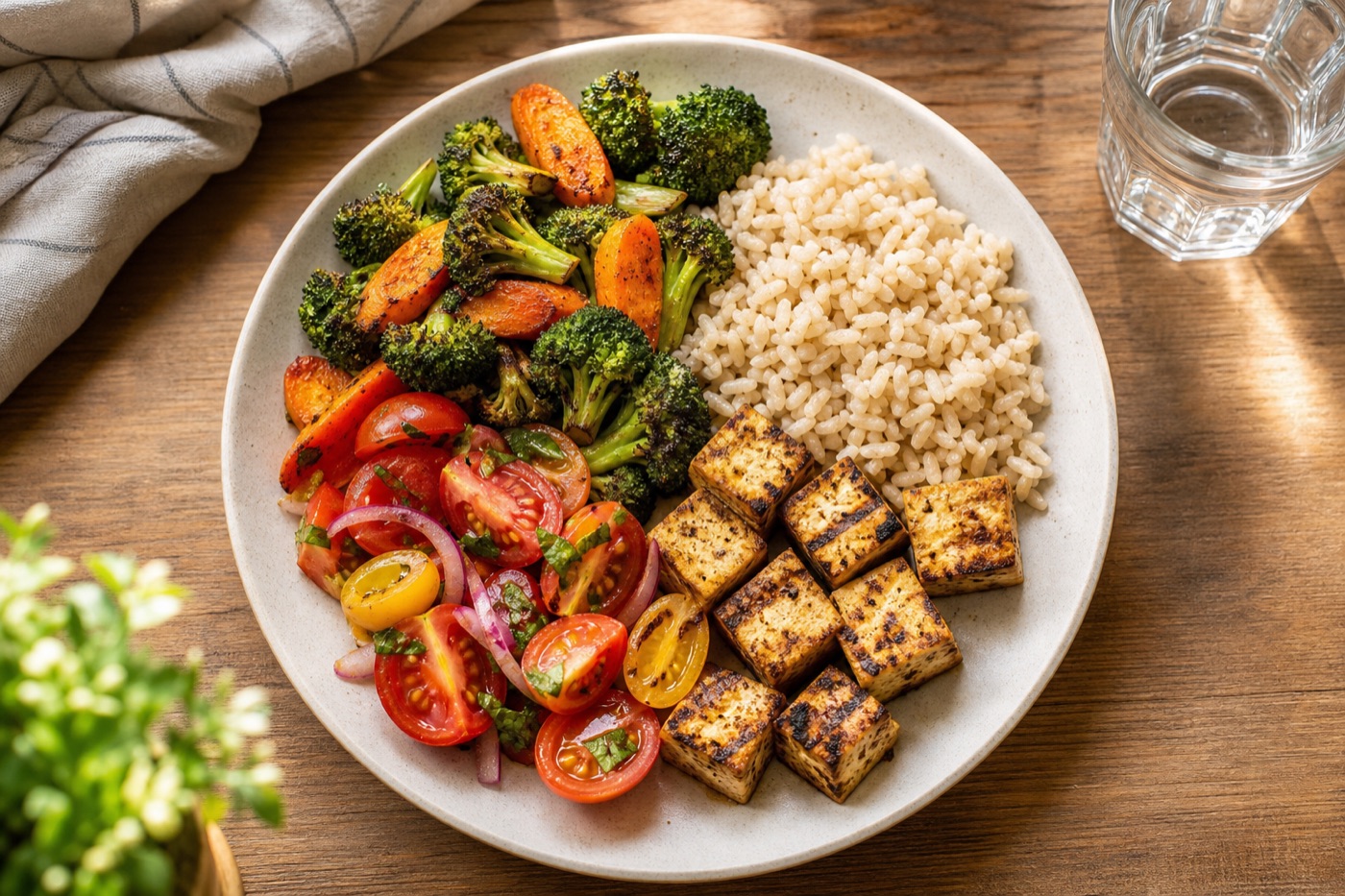
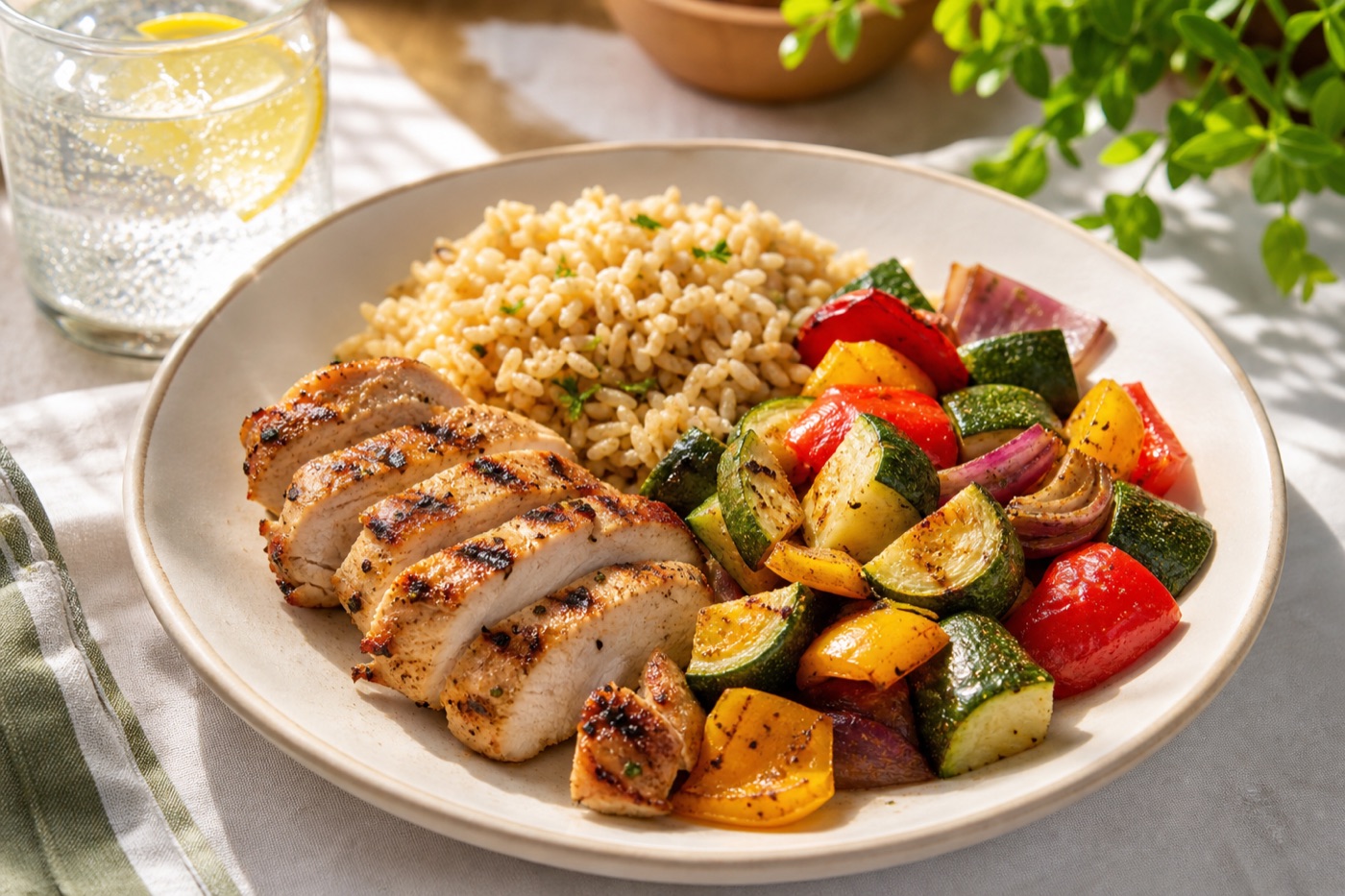
Every meal pairs a protein source with a fiber-containing carbohydrate and a little fat, a combination that tends to keep energy steady and hunger manageable.
The bottom line
Macros are protein, carbohydrates and fat, the nutrients that provide nearly all your energy. Most adults do well with carbs at 45-65% of calories, protein at 10-35% and fat at 20-35%, which leaves plenty of room for personal and cultural preferences. Choose good-quality sources in each group, and count only if it genuinely helps you.