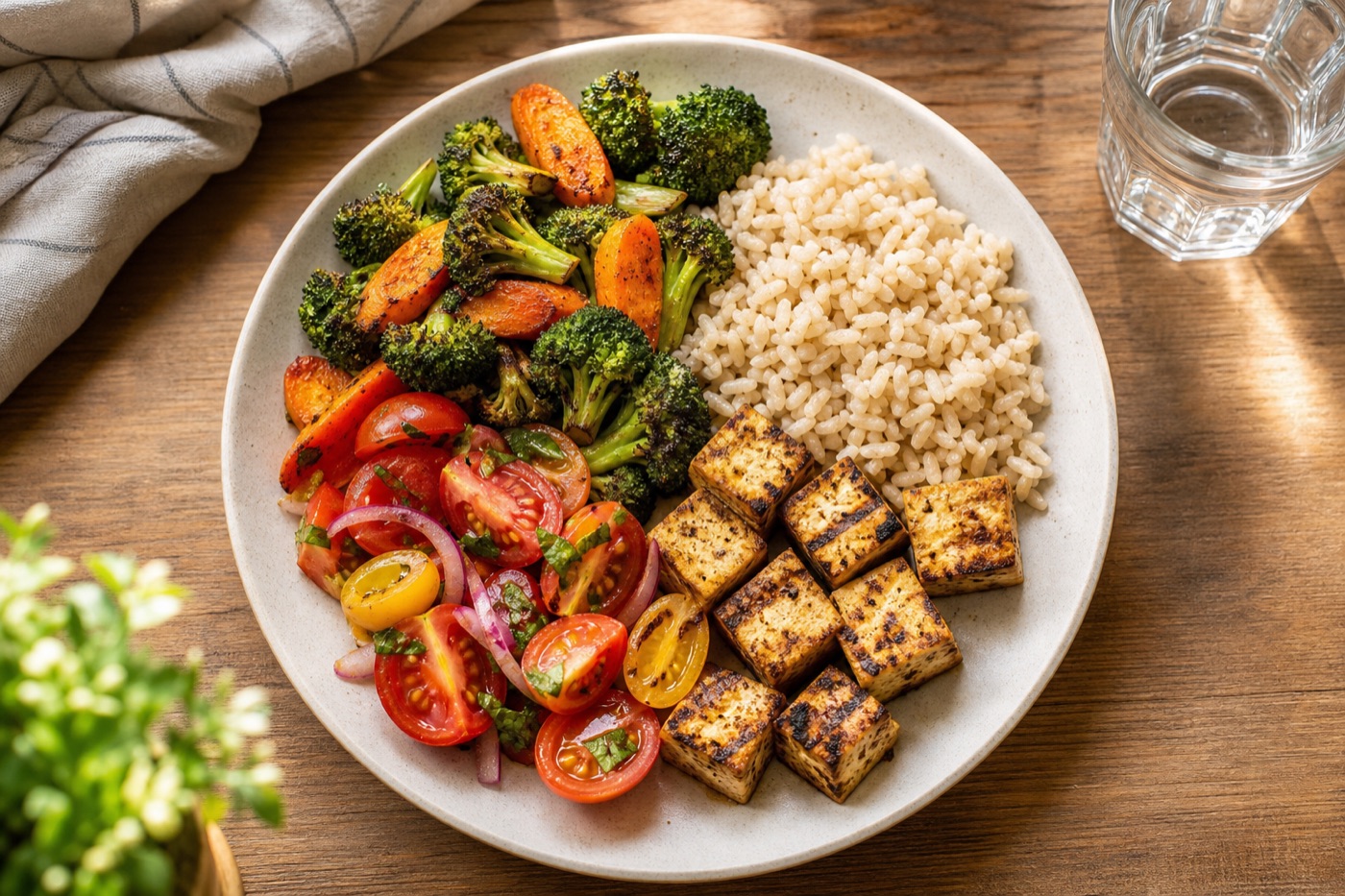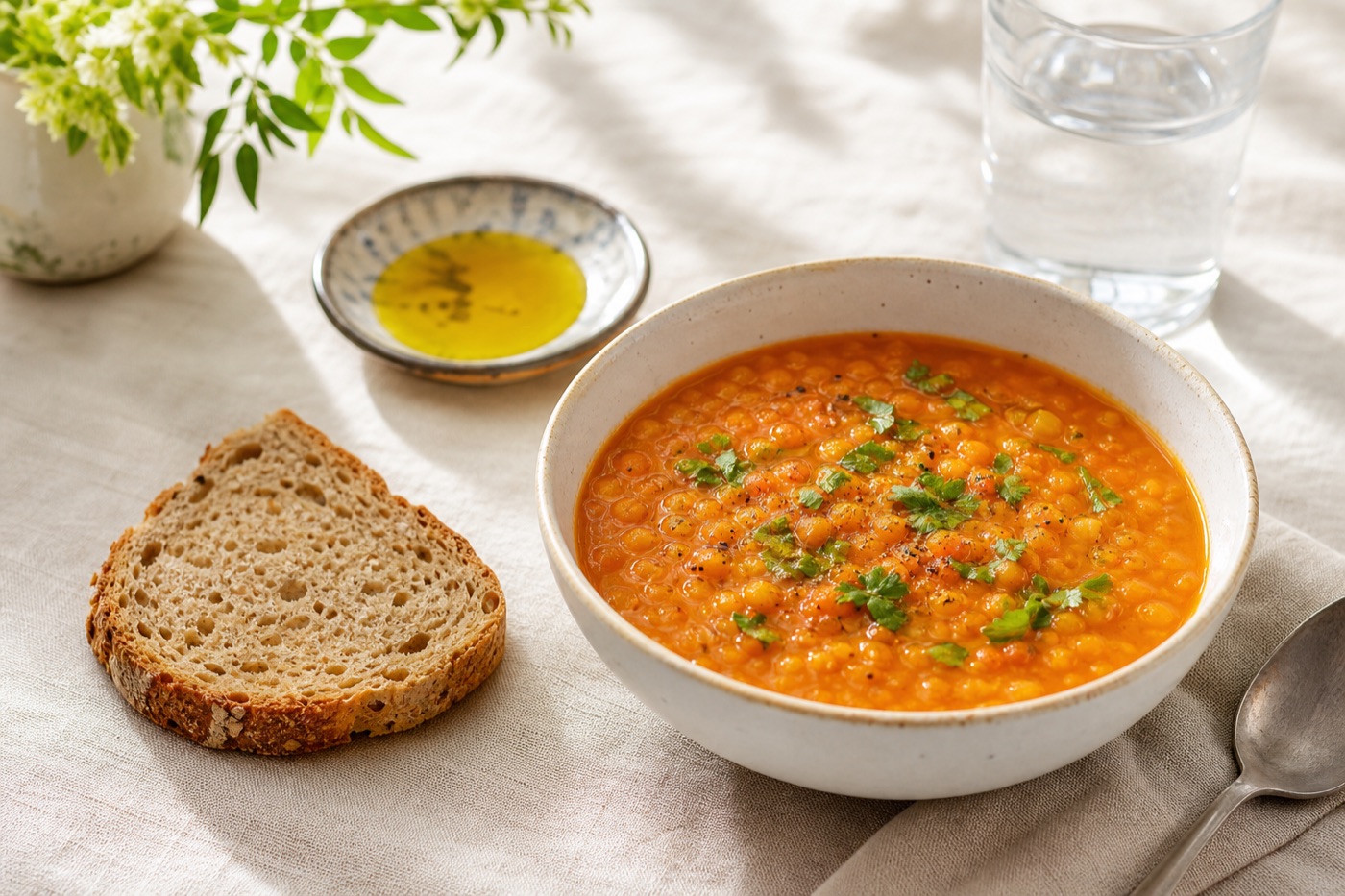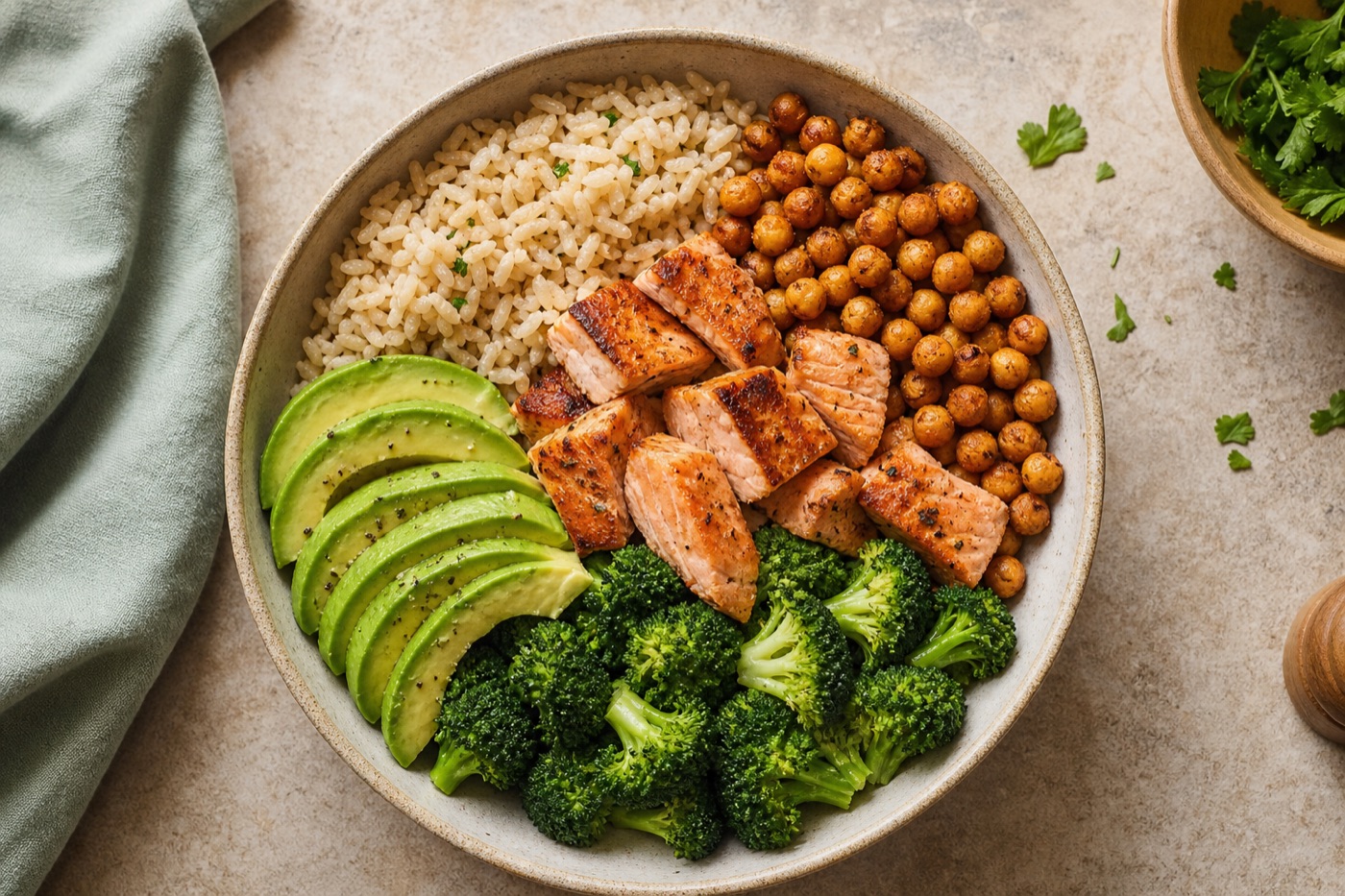
What Are Macros? Protein, Carbs and Fat Explained
Macros, short for macronutrients, are the three nutrients your body needs in large amounts: protein, carbohydrates and fat.
Read more →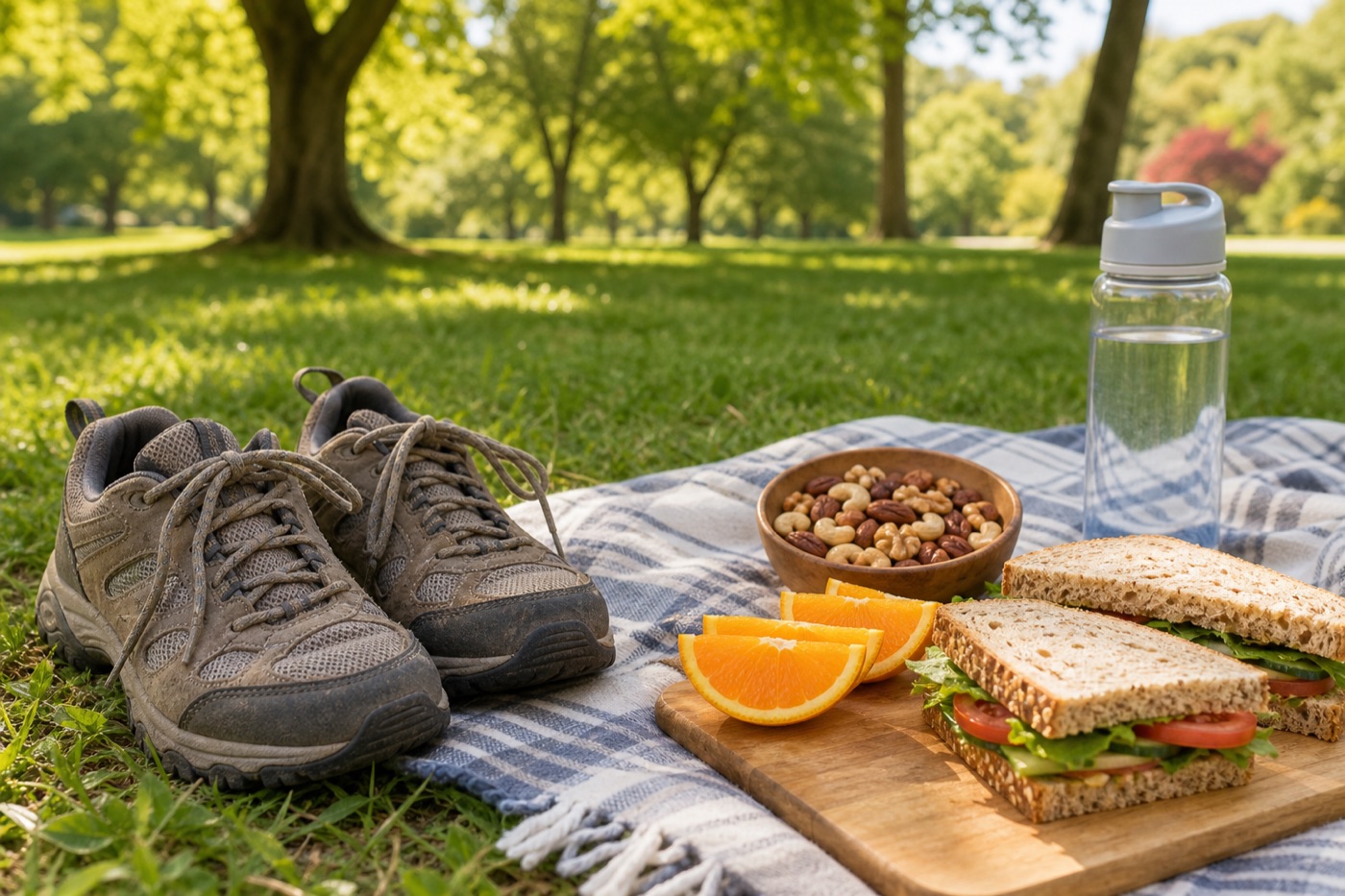
TDEE, short for total daily energy expenditure, is the total number of calories your body burns in a day. It adds together the energy you use at rest, the energy spent digesting food, and everything you burn through movement, from fidgeting to formal exercise. Knowing your approximate TDEE gives you a starting point for eating to maintain, lose or gain weight.
| Component | What it covers | Typical share |
|---|---|---|
| Basal metabolic rate (BMR) | Breathing, circulation, organ function and temperature control at complete rest | Usually the largest share, often around 60–70% for people who aren’t very active |
| Thermic effect of food | Digesting, absorbing and storing nutrients | About 10% |
| Non-exercise activity | Walking, standing, chores, fidgeting, playing with kids | Varies widely between people |
| Exercise | Planned workouts and sports | From almost nothing to a large share, depending on routine |
Non-exercise activity is the quiet wildcard. Two people with similar bodies can differ by hundreds of calories a day simply because one has an on-your-feet job or paces during phone calls.
Most calculators work in two steps. First, they estimate BMR with the Mifflin-St Jeor equation, one of the most widely used formulas:
Then they multiply that number by an activity factor:
| Activity level | Description | Multiplier |
|---|---|---|
| Sedentary | Desk-based day, little exercise | 1.2 |
| Lightly active | Light exercise 1–3 days a week | 1.375 |
| Moderately active | Moderate exercise 3–5 days a week | 1.55 |
| Very active | Hard exercise 6–7 days a week | 1.725 |
| Extra active | Physical job plus hard training | 1.9 |
The equation uses two sex categories because that’s how it was developed. If you’re transgender, nonbinary or on hormone therapy, a doctor or registered dietitian can help you decide how to apply it.
Picture a 35-year-old woman who is 165 cm tall (about 5 feet 5 inches), weighs 65 kg (about 143 pounds) and does light exercise a couple of times a week.
So she likely uses roughly 1,850 calories a day to maintain her current weight. That’s a sensible starting estimate, not a precise measurement.
Equations are built on averages, and real people vary. Your actual TDEE could be noticeably higher or lower because of:
The most reliable way to refine your number is to watch what happens in real life. If your weight holds roughly steady over two to four weeks while you eat a consistent amount, that intake is close to your true TDEE.
Once you have an estimate, you can use it in a few ways:
TDEE changes as your life does. If your weight, job, training or health shifts, run the numbers again.
TDEE is a planning tool, not a grade. Eating more on active days and less on quieter ones is completely normal, and your body doesn’t require daily precision. If crunching numbers starts to feel stressful, it’s fine to set it aside and focus on balanced meals and hunger cues instead.
TDEE is the total energy you burn in a day, made up of your BMR, the energy used to digest food, everyday movement and exercise. You can estimate it with the Mifflin-St Jeor equation and an activity multiplier, then fine-tune it by watching how your weight responds over a few weeks. For a closer look at the biggest piece of the puzzle, read our explainer on BMR.
Essentially, yes. Your TDEE is the number of calories you burn in a day, so eating about that amount over time tends to keep your weight stable. That's why people often call it maintenance calories.
They give a reasonable starting estimate, but they're based on population averages. Your real TDEE could be noticeably higher or lower. Tracking your weight trend for a few weeks while eating consistently is the best way to fine-tune it.
If you used an activity multiplier to estimate your TDEE, your exercise is already built in. Fitness trackers often misjudge calories burned, so adding them back in full can overshoot. Let hunger, energy and your weight trend guide small adjustments.
Yes. A smaller body uses less energy, and your body may adapt in other ways too. Recalculating your TDEE after a meaningful change in weight or activity keeps your estimate useful.
This guide is general information, not medical advice. For a health condition, pregnancy or a history of disordered eating, please talk with a doctor or registered dietitian.
Macros, short for macronutrients, are the three nutrients your body needs in large amounts: protein, carbohydrates and fat.
Read more →A balanced plate is a simple way to build meals: fill about half your plate with vegetables and fruit, about a quarter with whole grains or other starchy foods, and about a quarter with protein, then add a little healthy fat and a drink like water or milk.
Read more →