Healthy Fats Explained: Which Fats to Eat and Which to Limit
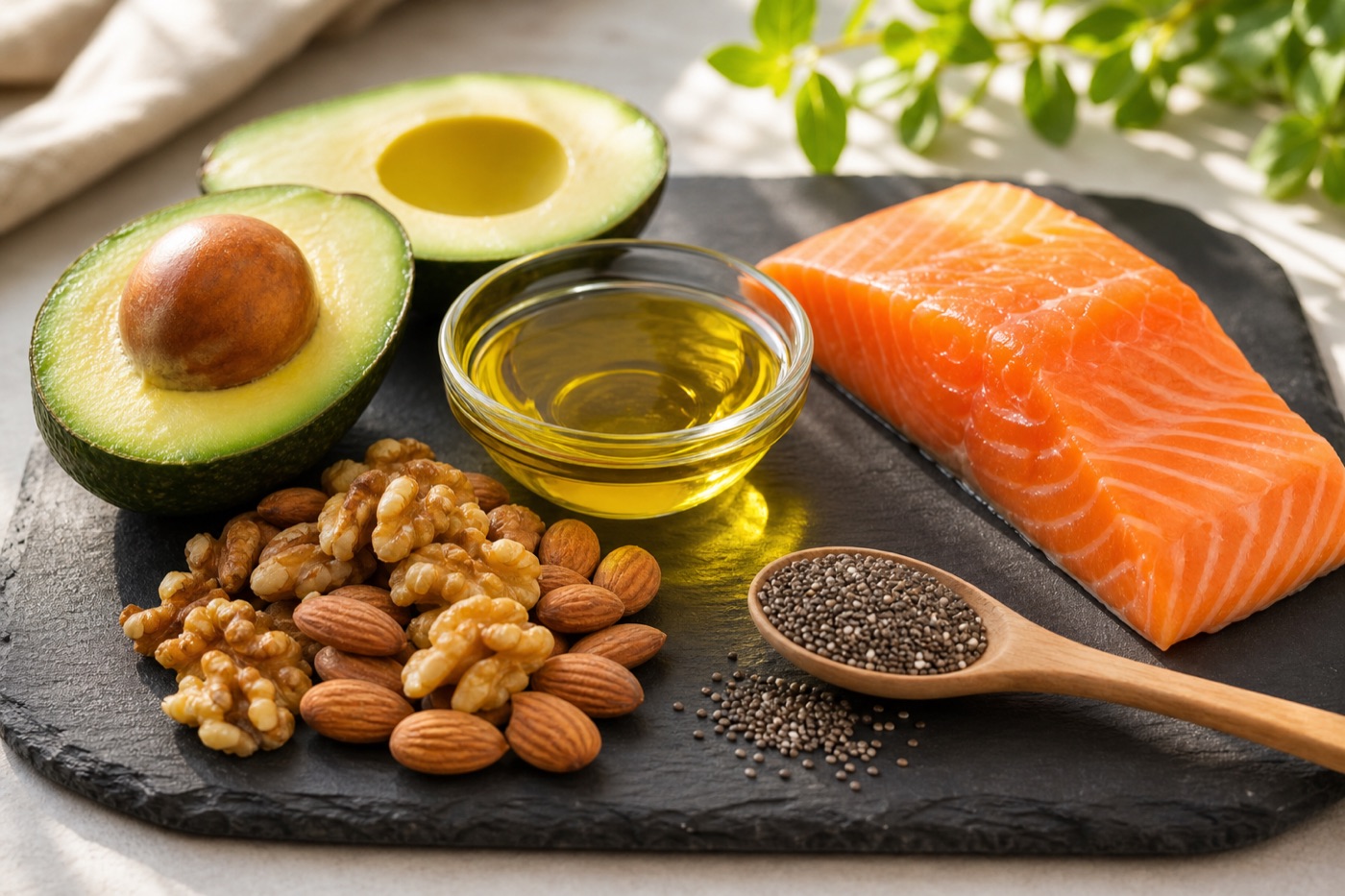
Healthy fats are mainly unsaturated fats, found in olive and canola oil, avocados, nuts, seeds and fatty fish.
Read more →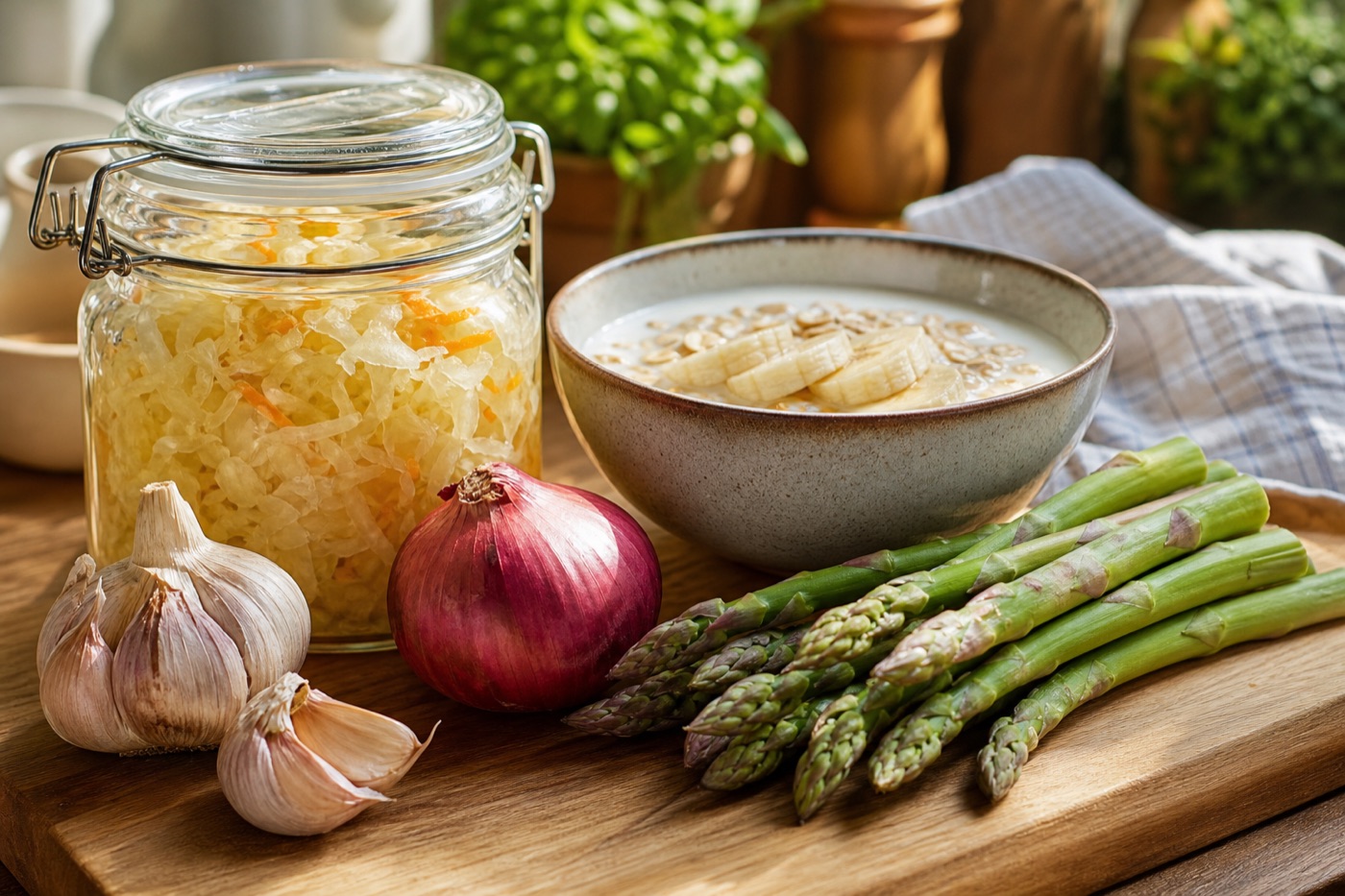
Probiotics are live microorganisms, such as certain bacteria and yeasts, that may offer health benefits when you consume them in adequate amounts. Prebiotics are food for the helpful microbes already living in your gut, mainly certain types of fiber and other plant compounds. In short, probiotics add beneficial microbes, while prebiotics feed them. You’ll find probiotics in some fermented foods like yogurt and kefir, and prebiotics in foods like onions, garlic, oats, beans and slightly green bananas.
Trillions of microbes live in your digestive tract, mostly in your large intestine. Together they’re called the gut microbiome. They help break down fiber your own body can’t digest, produce certain vitamins and other compounds, and interact with your immune system. Scientists are still learning how the microbiome affects health, and much of the research is early. What’s already clear is that diet, especially fiber, shapes which microbes thrive.
The widely used scientific definition describes probiotics as live microorganisms that, when given in adequate amounts, provide a health benefit. Benefits depend on the specific strain, so a result found for one type doesn’t automatically apply to another.
Foods that may contain live microbes include:
Not every fermented food contains live microbes by the time you eat it. Sourdough bread is baked, and most shelf-stable pickles and sauerkraut are pasteurized or made with vinegar, so their microbes are no longer alive. They can still be tasty, nourishing foods.
Research suggests some probiotic strains may help with certain kinds of diarrhea, including some linked to antibiotics, but evidence for many other uses is mixed.
Prebiotics are compounds that beneficial gut microbes use as food, which can encourage their growth. Most are types of fiber, such as inulin, fructooligosaccharides and galactooligosaccharides, though some other plant compounds count too.
| Prebiotic-rich food | Notes |
|---|---|
| Onions, garlic, leeks | Rich in inulin and related fibers |
| Asparagus and Jerusalem artichokes | Good sources of inulin |
| Slightly green bananas | Contain resistant starch |
| Oats and barley | Provide beta-glucan fiber |
| Beans, lentils and chickpeas | Contain galactooligosaccharides |
| Chicory root | A concentrated source of inulin, often added to packaged foods |
| Whole wheat | Contains several fermentable fibers |
Because prebiotics are mostly fiber, this topic overlaps a lot with our guide to dietary fiber.
| Probiotics | Prebiotics | |
|---|---|---|
| What they are | Live microorganisms | Food for gut microbes, mostly fiber |
| Main job | Add beneficial microbes | Feed the beneficial microbes already there |
| Food sources | Yogurt, kefir, some sauerkraut, kimchi, miso | Onions, garlic, oats, beans, bananas, asparagus |
| Affected by cooking? | Yes, heat can kill them | Mostly not; they hold up well to cooking |
You may also see the term synbiotics, which describes products combining both. Eating them together, such as yogurt with oats and banana, is an easy way to cover both bases.
Probiotic supplements are widely sold, but in the US most are regulated as dietary supplements, which means the FDA doesn’t review them for safety or effectiveness before they reach store shelves. Products vary in which strains they contain and how many live microbes survive until the expiration date. For healthy people, probiotics are generally considered safe, but people who are seriously ill or have weakened immune systems, and parents of premature infants, should talk with a doctor before using them. If you’re considering a supplement for a specific issue, ask your doctor which strain, if any, has evidence behind it.
A plant-based eating pattern naturally supplies plenty of prebiotic fiber, and whole grains, covered in our guide to complex carbs, are another easy source.
Probiotics are live microbes that may support health, while prebiotics are mostly fibers that feed the helpful microbes already in your gut. You can get both from everyday foods: fermented foods like yogurt and kefir for probiotics, and onions, garlic, oats, beans and bananas for prebiotics. Food is the best starting point, and a doctor can help if you’re considering supplements.
You don't need special products to combine them. Eating fermented foods alongside fiber-rich plant foods, like yogurt with oats and banana, naturally gives you both. Products that combine the two in one supplement are called synbiotics.
It can be. Look for yogurt labeled with live and active cultures, since some products are heat-treated after fermentation, which kills the microbes. Plain varieties avoid the added sugar found in many flavored yogurts.
It depends on the strain and the reason for taking it. Some strains have evidence for specific uses, such as certain types of diarrhea, while evidence for many other claims is limited. Ask your doctor whether a particular product has research behind it for your situation.
Yes, especially if you increase them quickly. Gut microbes produce gas as they ferment fiber. Adding prebiotic foods gradually and drinking enough fluids usually helps, and people with irritable bowel syndrome may need personalized advice.
This guide is general information, not medical advice. For a health condition, pregnancy or a history of disordered eating, please talk with a doctor or registered dietitian.
Healthy fats are mainly unsaturated fats, found in olive and canola oil, avocados, nuts, seeds and fatty fish.
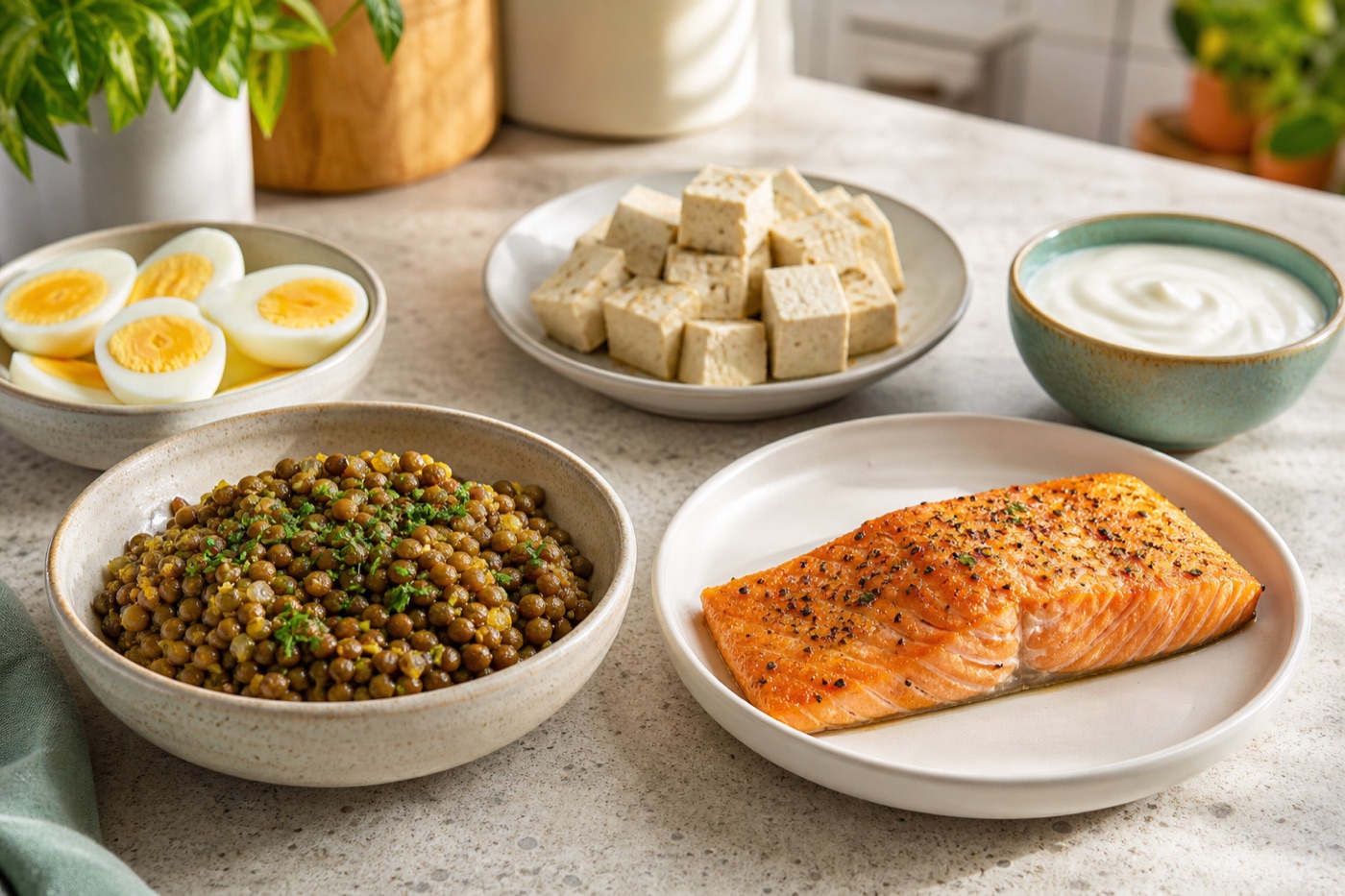
Read more →Most healthy adults need at least 0.8 grams of protein per kilogram of body weight per day, the Recommended Dietary Allowance.
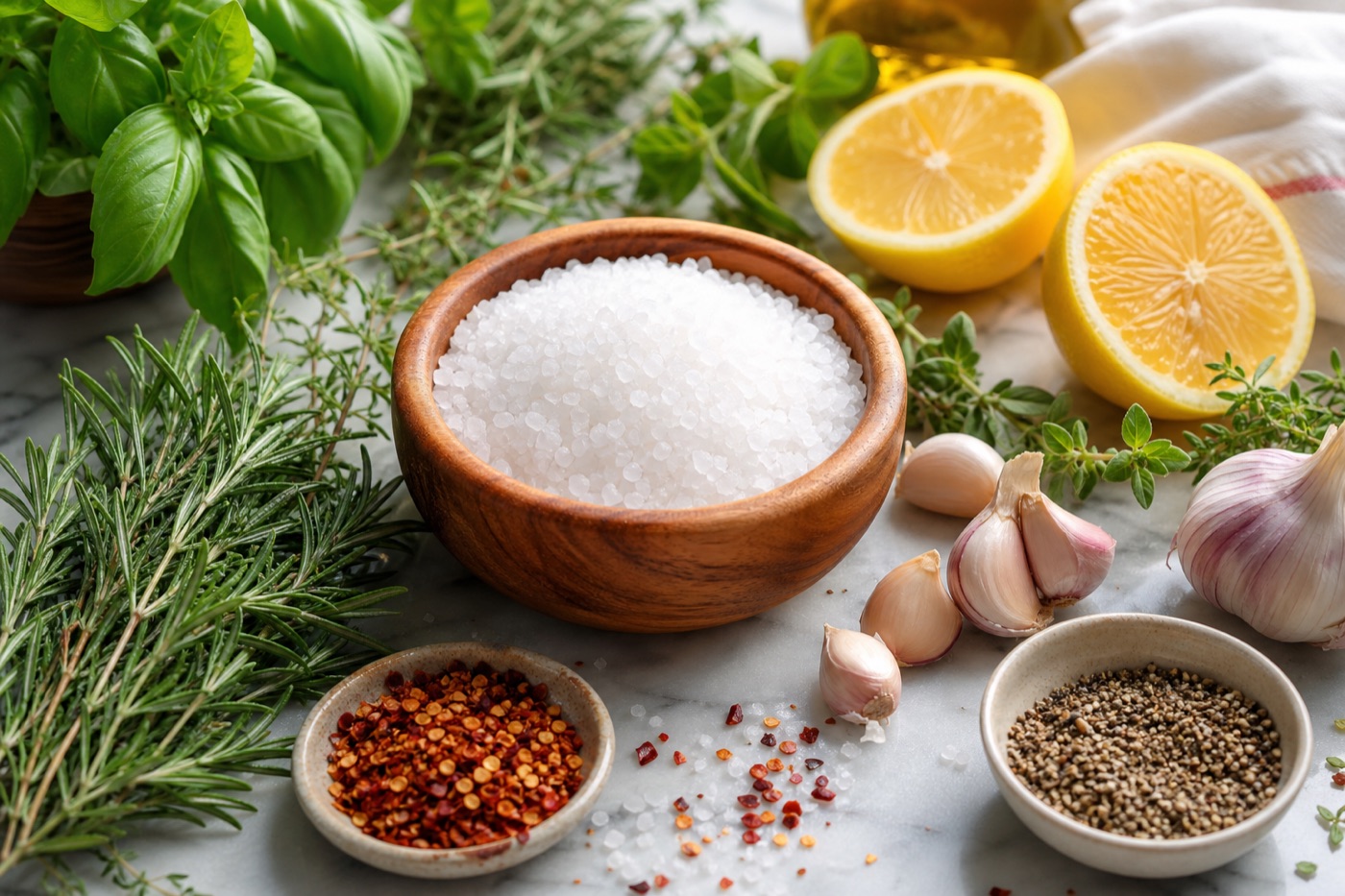
Read more →The Dietary Guidelines for Americans advise adults to keep sodium under 2,300 milligrams a day, about the amount in one teaspoon of table salt.
Read more →