Healthy Fats Explained: Which Fats to Eat and Which to Limit
Healthy fats are mainly unsaturated fats, found in olive and canola oil, avocados, nuts, seeds and fatty fish.
Read more →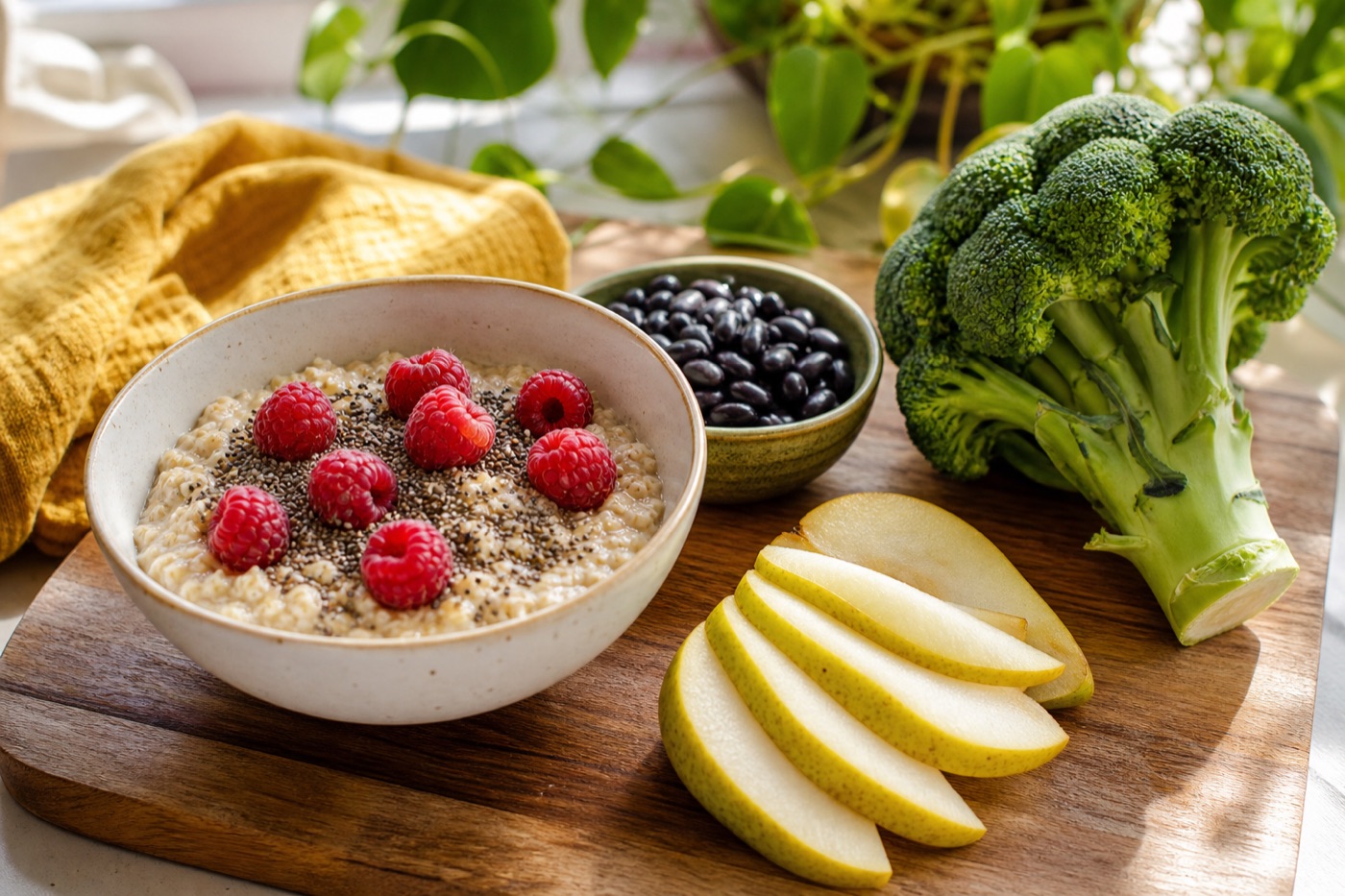
Dietary fiber is the part of plant foods that your body can’t fully digest or absorb. Instead of being broken down like sugar or starch, it travels through your digestive system, where it adds bulk, keeps things moving and feeds the helpful bacteria in your gut. US guidelines suggest about 14 grams of fiber for every 1,000 calories you eat, and most Americans get less than that.
Most plant foods contain a mix of both kinds:
There’s no need to track the two separately. Eating a variety of plant foods gives you both.
The Dietary Guidelines for Americans, 2020-2025, base fiber targets on about 14 grams per 1,000 calories. In practice, that’s roughly 22 to 34 grams a day for adults depending on age and sex, with younger men at the higher end. On Nutrition Facts labels, the Daily Value for fiber is 28 grams.
Because most people fall well short, the guidelines list fiber as a dietary component of public health concern. The encouraging part is that a few small swaps add up fast.
Values are approximate and can vary by variety and preparation.
| Food | Portion | Fiber |
|---|---|---|
| Raspberries | 1 cup | about 8 g |
| Lentils, cooked | 1/2 cup | about 8 g |
| Black beans, cooked | 1/2 cup | about 7.5 g |
| Chickpeas, cooked | 1/2 cup | about 6 g |
| Pear, with skin | 1 medium | about 5.5 g |
| Broccoli, cooked | 1 cup | about 5 g |
| Apple, with skin | 1 medium | about 4.5 g |
| Green peas, cooked | 1/2 cup | about 4 g |
| Chia seeds | 1 tbsp | about 4 g |
| Rolled oats, dry | 1/2 cup | about 4 g |
| Baked potato, with skin | 1 medium | about 4 g |
| Almonds | 1 oz | about 3.5 g |
| Whole-wheat bread | 1 slice | about 2 g |
Here’s one way to reach a little over 30 grams with ordinary groceries:
Going from very little fiber to a lot overnight can bring gas, bloating or cramps. A gentler path:
If you live with a digestive condition such as irritable bowel syndrome or inflammatory bowel disease, certain high-fiber foods may trigger symptoms. A doctor or registered dietitian can help you find the types and amounts that suit you.
Some fibers become food for the bacteria in your large intestine. As those microbes ferment fiber, they produce short-chain fatty acids, compounds that help nourish the cells lining your colon. This is where fiber overlaps with prebiotics, which we cover in prebiotics vs probiotics. Fiber is also the reason food packages sometimes show a gap between total and “net” carbs, explained in net carbs vs total carbs.
Fiber is the indigestible part of plant foods, and it supports digestion, fullness, heart health and a well-fed gut. Aim for roughly 14 grams per 1,000 calories, which for most adults lands somewhere between the low 20s and mid 30s each day. Beans, lentils, whole grains, fruit, vegetables, nuts and seeds will get you there, especially if you build up gradually. Our guide to complex carbs has more ways to work whole grains into your week.
Adding a lot of fiber quickly can cause gas, bloating, cramps or changes in bowel habits. Increasing gradually and drinking enough fluids usually prevents this. Very high intakes from supplements can also interfere with how some medications are absorbed, so ask a pharmacist or doctor if you take regular medication.
On US Nutrition Facts labels, yes. Dietary fiber is listed under Total Carbohydrate. In some other countries, including those in the European Union, fiber is listed separately and isn't included in the carbohydrate figure.
Supplements can help some people, and a doctor may recommend one for specific reasons. But whole foods bring a mix of fiber types along with vitamins, minerals and other plant compounds that a supplement doesn't provide, so food is usually the best first step.
Beans, lentils and split peas are among the richest everyday sources. Raspberries, pears, apples with skin, whole grains such as oats and barley, chia seeds, nuts and vegetables like broccoli and green peas are also excellent choices.
This guide is general information, not medical advice. For a health condition, pregnancy or a history of disordered eating, please talk with a doctor or registered dietitian.
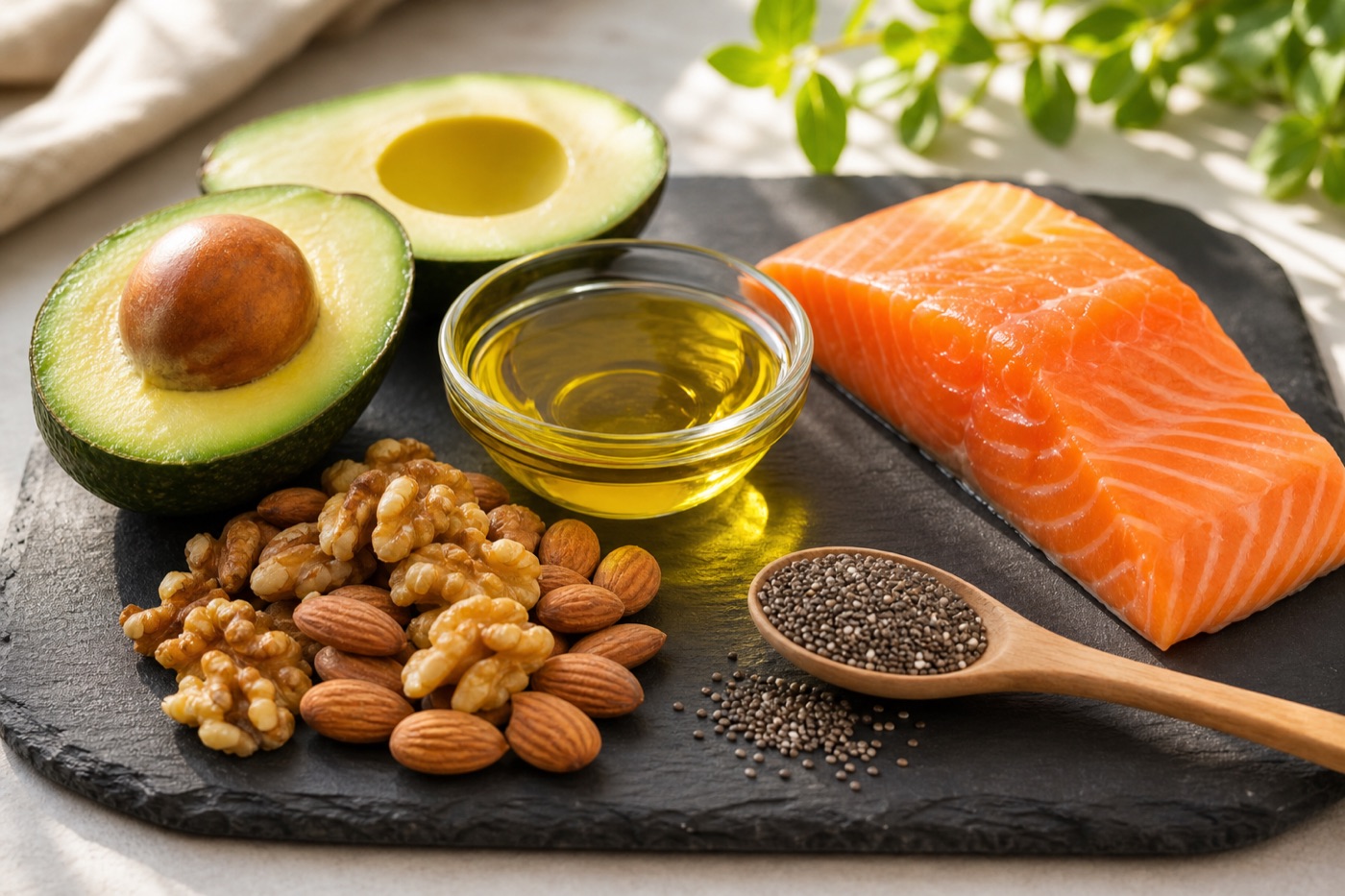
Healthy fats are mainly unsaturated fats, found in olive and canola oil, avocados, nuts, seeds and fatty fish.
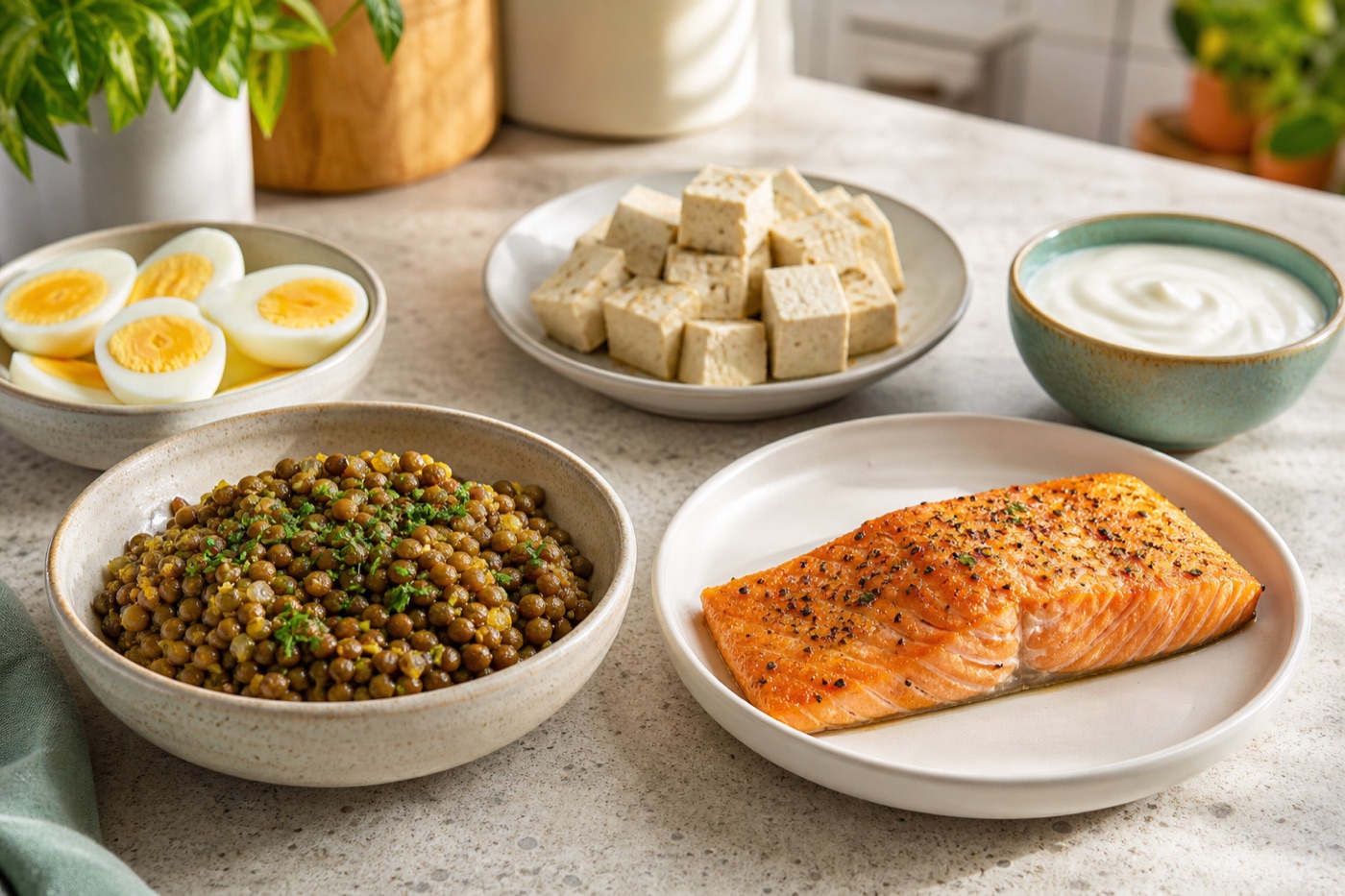
Read more →Most healthy adults need at least 0.8 grams of protein per kilogram of body weight per day, the Recommended Dietary Allowance.
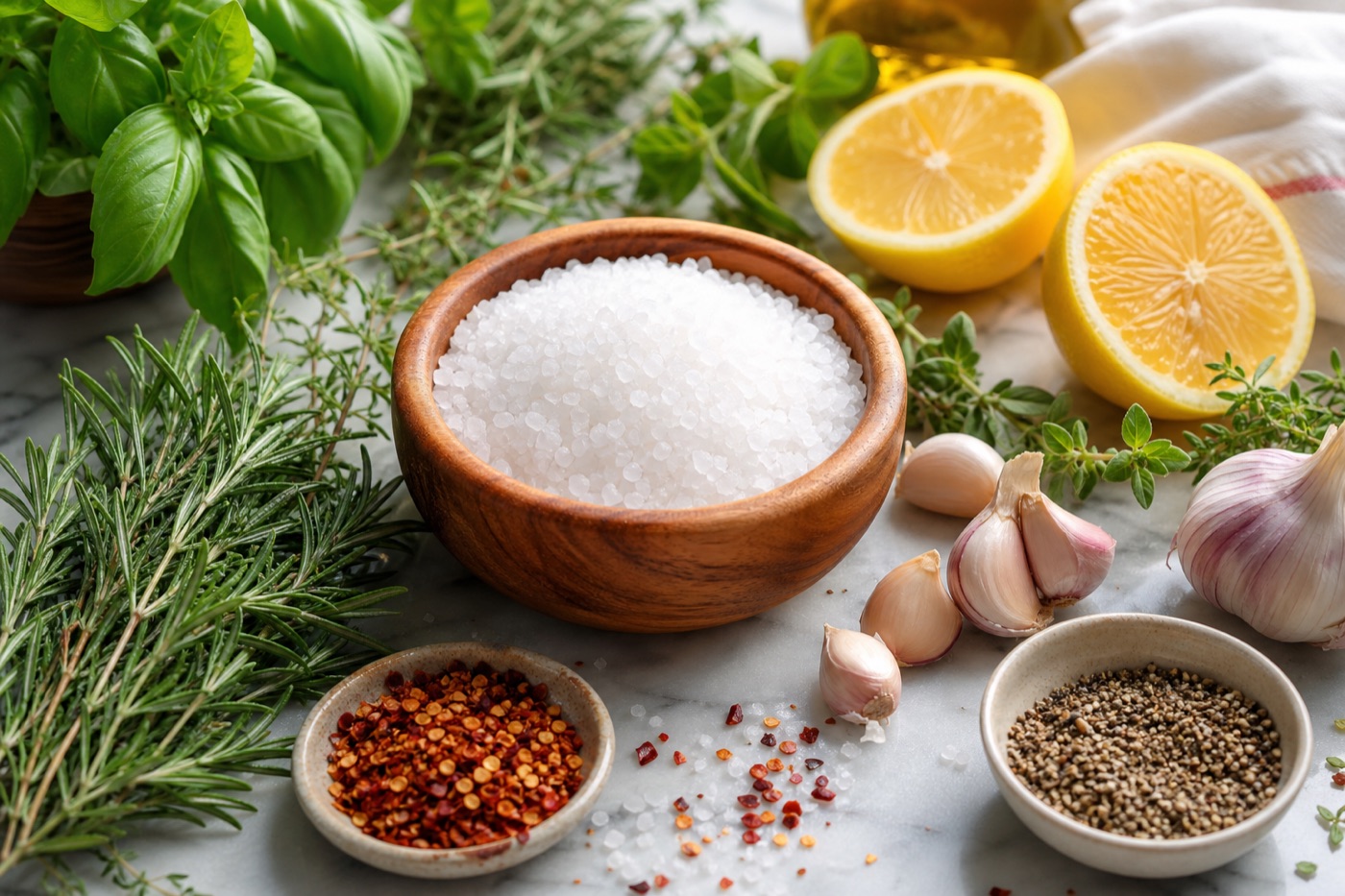
Read more →The Dietary Guidelines for Americans advise adults to keep sodium under 2,300 milligrams a day, about the amount in one teaspoon of table salt.
Read more →