Net Carbs vs Total Carbs: What's the Difference?
Total carbs are all the carbohydrates in a food, including starch, sugars and fiber, and on US labels sugar alcohols too.
Read more →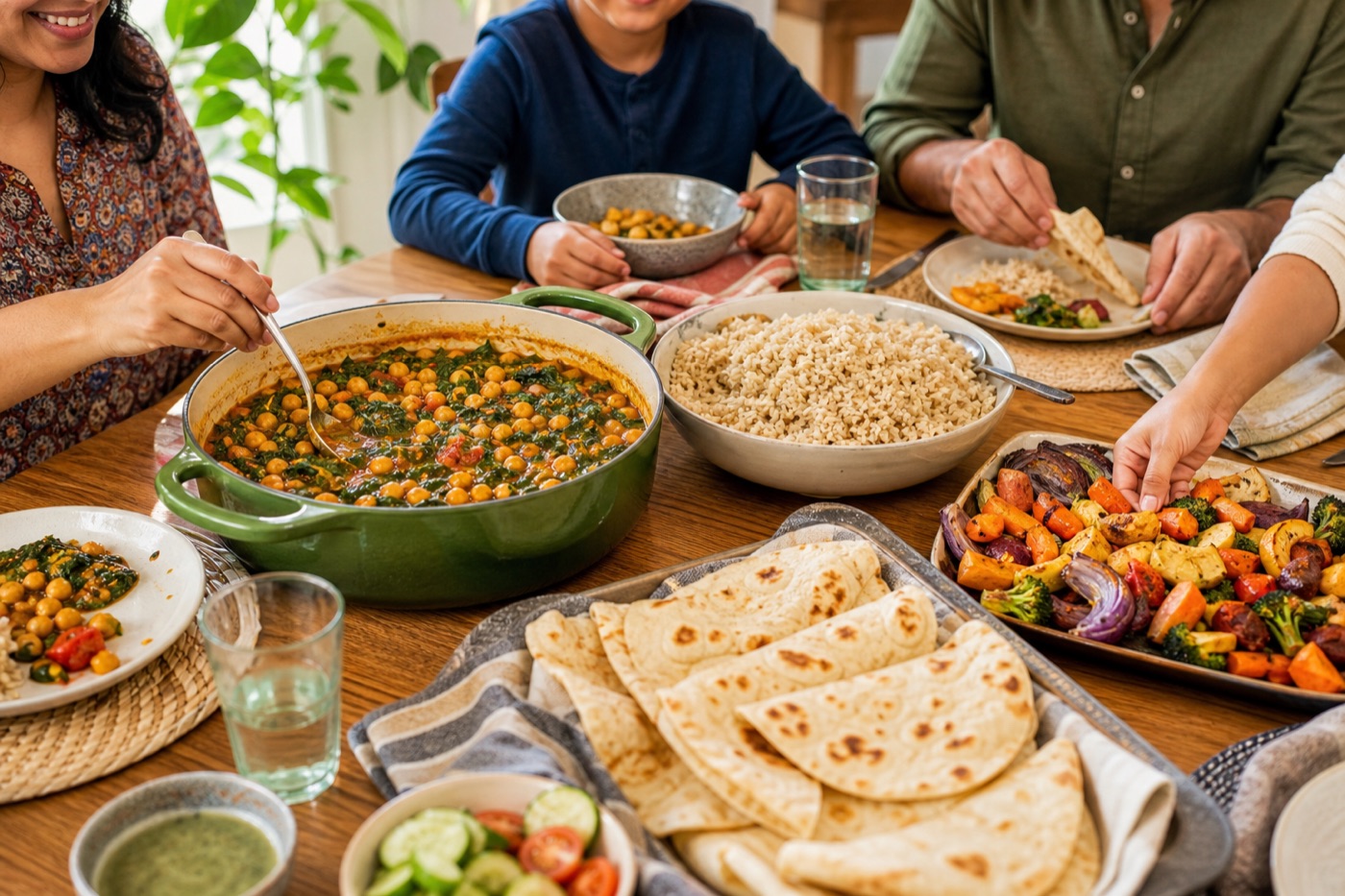
Plant-based eating means building most of your meals around foods from plants: vegetables, fruit, whole grains, beans, lentils, nuts and seeds. It doesn’t have to be all or nothing. Some people go fully vegan, some are vegetarian, and many simply eat more plants while still enjoying some meat, fish, eggs or dairy. Done thoughtfully, it’s rich in fiber and nutrients, with a few things, like vitamin B12, worth planning for.
| Style | What’s included |
|---|---|
| Vegan | Only plant foods; no meat, fish, dairy, eggs or other animal products |
| Vegetarian (lacto-ovo) | Plant foods plus dairy and eggs; no meat or fish |
| Pescatarian | Plant foods plus fish and seafood, often with dairy and eggs |
| Flexitarian | Mostly plant foods, with meat or fish now and then |
| Plant-forward | Any pattern where plants take up most of the plate |
There’s no single right choice. Culture, budget, health, ethics, taste and family life all shape what works for you.
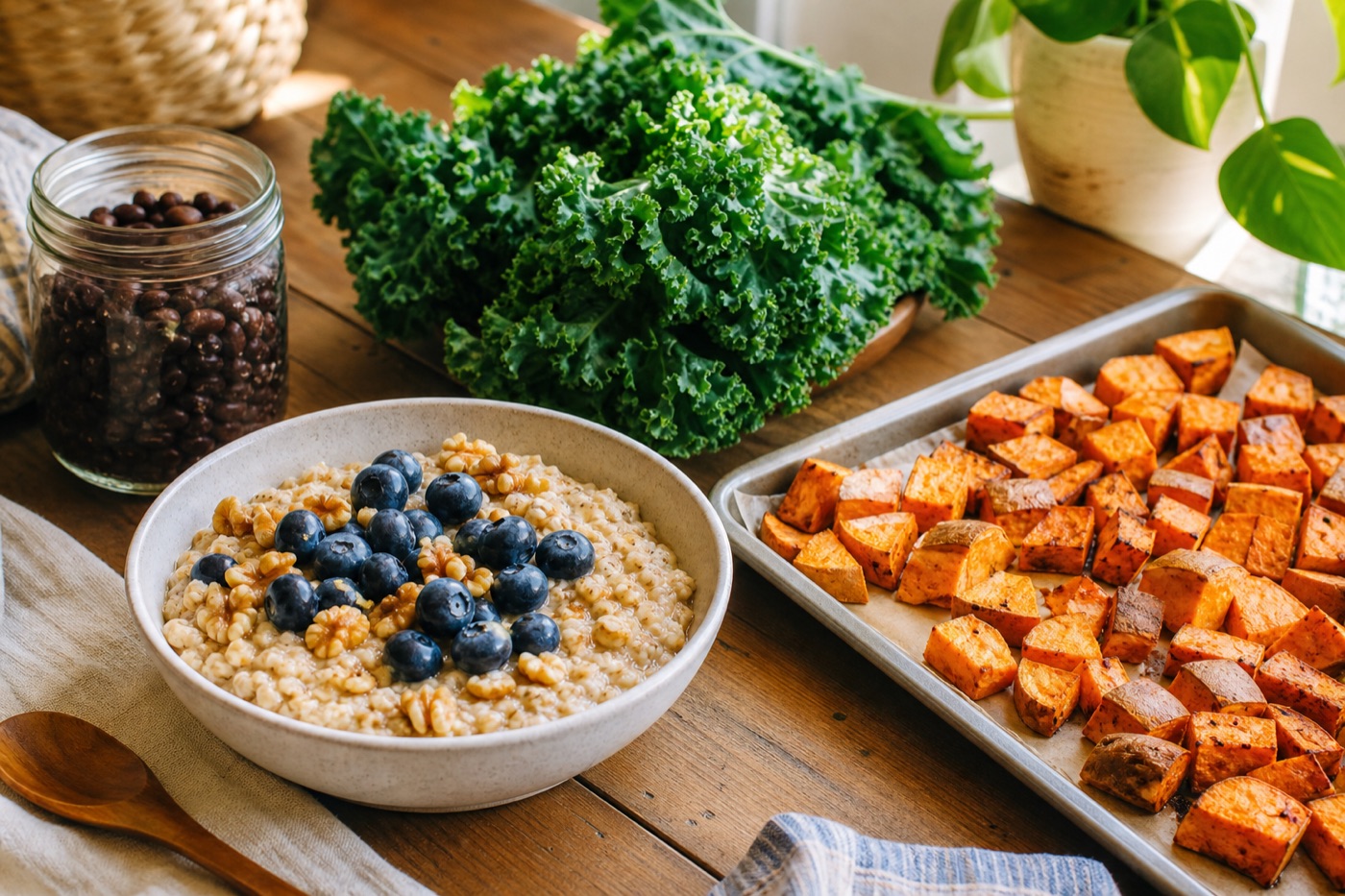
Plant-based patterns tend to be higher in fiber, potassium, magnesium, folate and plant compounds, and lower in saturated fat. In research, well-planned plant-forward diets have been associated with a lower risk of heart disease, high blood pressure and type 2 diabetes. Fiber-rich beans and whole grains also make these meals genuinely filling. Many people are drawn to plant-based eating for environmental or animal-welfare reasons as well.
Most nutrients are easy to get from plants, but a few deserve attention, especially on a fully vegan diet:
Our guide to micronutrients explains what each of these does in the body.
Values are approximate.
| Food | Portion | Protein |
|---|---|---|
| Tempeh | 3 oz | about 15–17 g |
| Firm tofu | 1/2 cup | roughly 10–20 g, varying with firmness |
| Cooked lentils | 1/2 cup | about 9 g |
| Shelled edamame | 1/2 cup | about 9 g |
| Hemp seeds | 3 tbsp | about 9–10 g |
| Cooked chickpeas | 1/2 cup | about 7 g |
| Peanut butter | 2 tbsp | about 7 g |
| Soy milk | 1 cup | about 7–8 g |
You don’t need to combine proteins at each meal. A mix of beans, grains, nuts and seeds over the day provides all the essential amino acids. To check your own target, see how much protein you need.
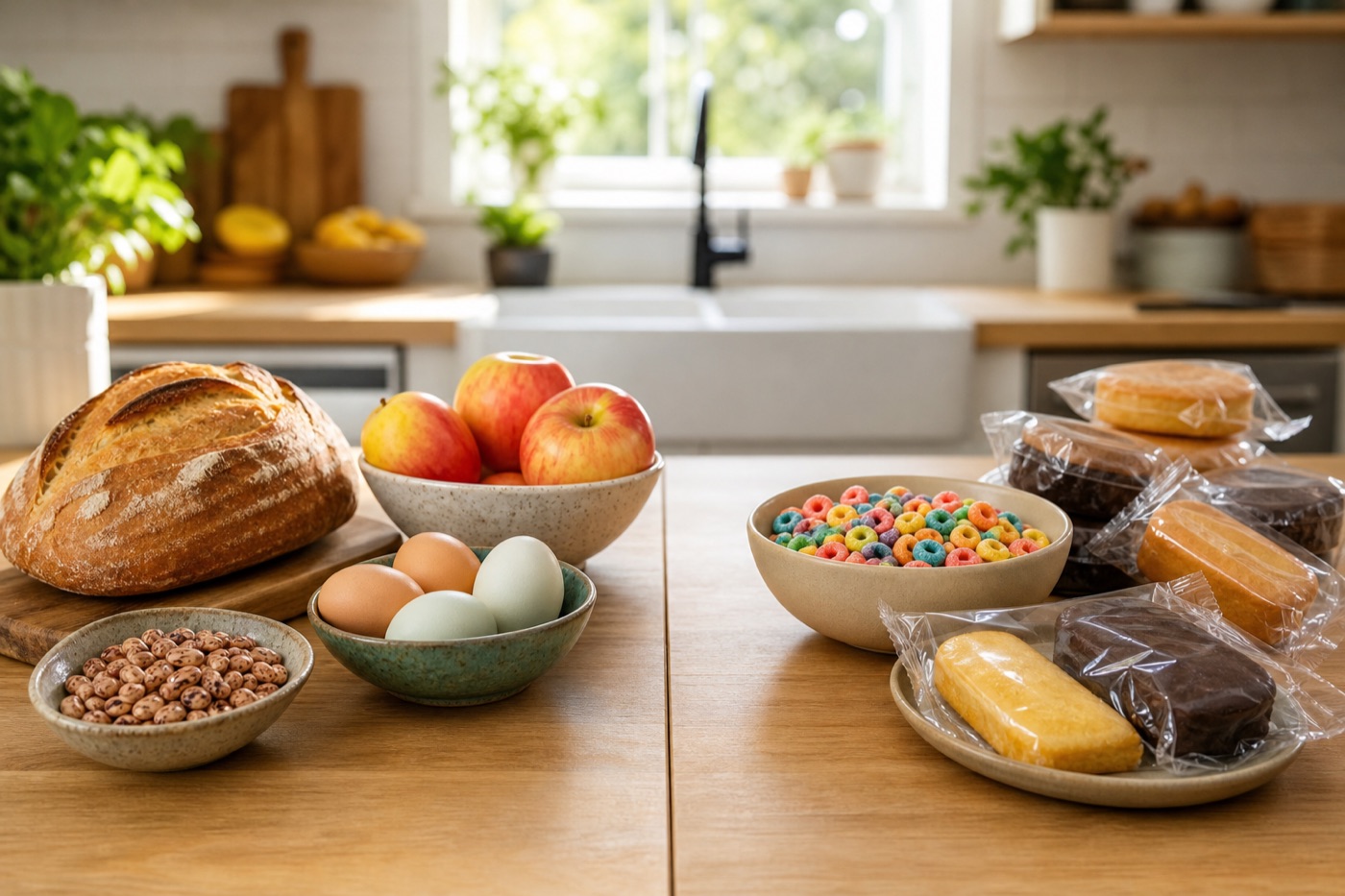
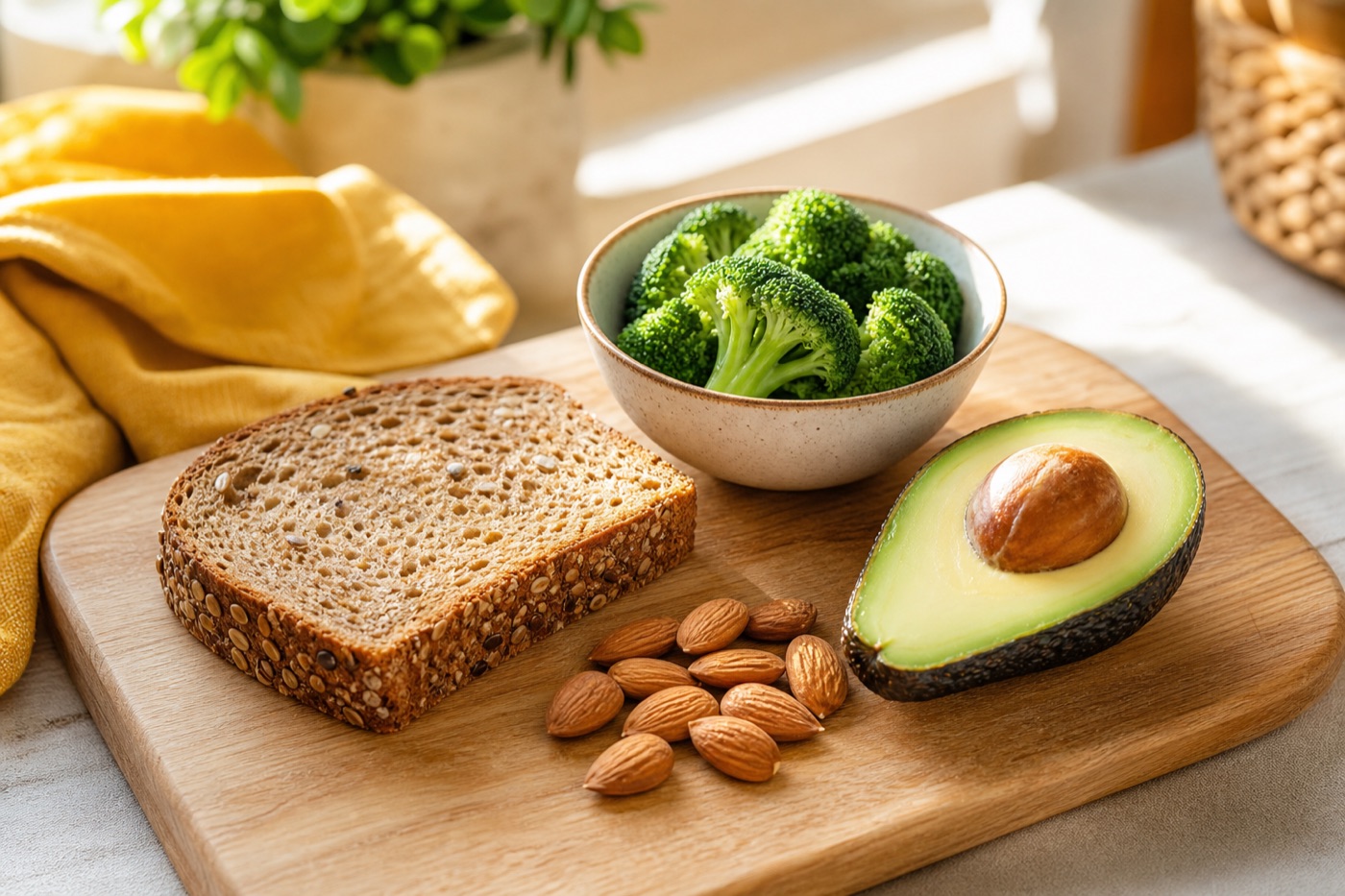
Fries, soda, candy and white bread are all technically plant-based. So are many heavily processed meat and cheese alternatives, which can be convenient but vary widely in sodium and saturated fat. The health benefits linked to plant-based eating come mostly from whole and minimally processed foods: beans, lentils, whole grains, vegetables, fruit, nuts and seeds.
If you like a bit of structure, the Mediterranean diet is a well-studied, plant-forward pattern that includes some fish and dairy.
Plant-based eating puts vegetables, fruit, whole grains, beans, nuts and seeds at the center of your plate, whether you go fully vegan or simply eat more plants. It’s linked with better heart and metabolic health and adapts easily to any culture. Plan for vitamin B12 and a few other nutrients, lean on whole foods, and grow the habit at your own pace. If you’re pregnant, raising young children on a vegan diet or managing a health condition, a registered dietitian can help you cover every base.
Not necessarily. Vegan means eating no animal products at all. Plant-based is a broader term for any pattern where plants make up most of what you eat, so it can include some meat, fish, eggs or dairy.
Yes. Beans, lentils, tofu, tempeh, edamame, nuts, seeds and whole grains all provide protein. Eating a variety of these across the day covers your essential amino acids, so there's no need to combine foods at every meal.
Vegans need a reliable source of vitamin B12, either from fortified foods such as some plant milks, cereals and nutritional yeast, or from a supplement. Plant foods don't reliably provide it. Ask your doctor or a dietitian which option suits you.
Well-planned vegetarian and vegan diets can support healthy growth, but children have high needs for nutrients like B12, iron, calcium, vitamin D and protein. Work with your child's pediatrician or a registered dietitian to make sure every base is covered.
This guide is general information, not medical advice. For a health condition, pregnancy or a history of disordered eating, please talk with a doctor or registered dietitian.
Total carbs are all the carbohydrates in a food, including starch, sugars and fiber, and on US labels sugar alcohols too.
Read more →Ultra-processed foods are industrial products made mostly from substances extracted or refined from foods, often with additives such as flavorings, emulsifiers or colors that you wouldn't use in a home kitchen.
Read more →Clean eating is an informal way of describing a diet built mostly on whole or minimally processed foods, such as vegetables, fruits, whole grains, beans, nuts, fish and lean proteins, with fewer heavily processed products.
Read more →