Healthy Fats Explained: Which Fats to Eat and Which to Limit
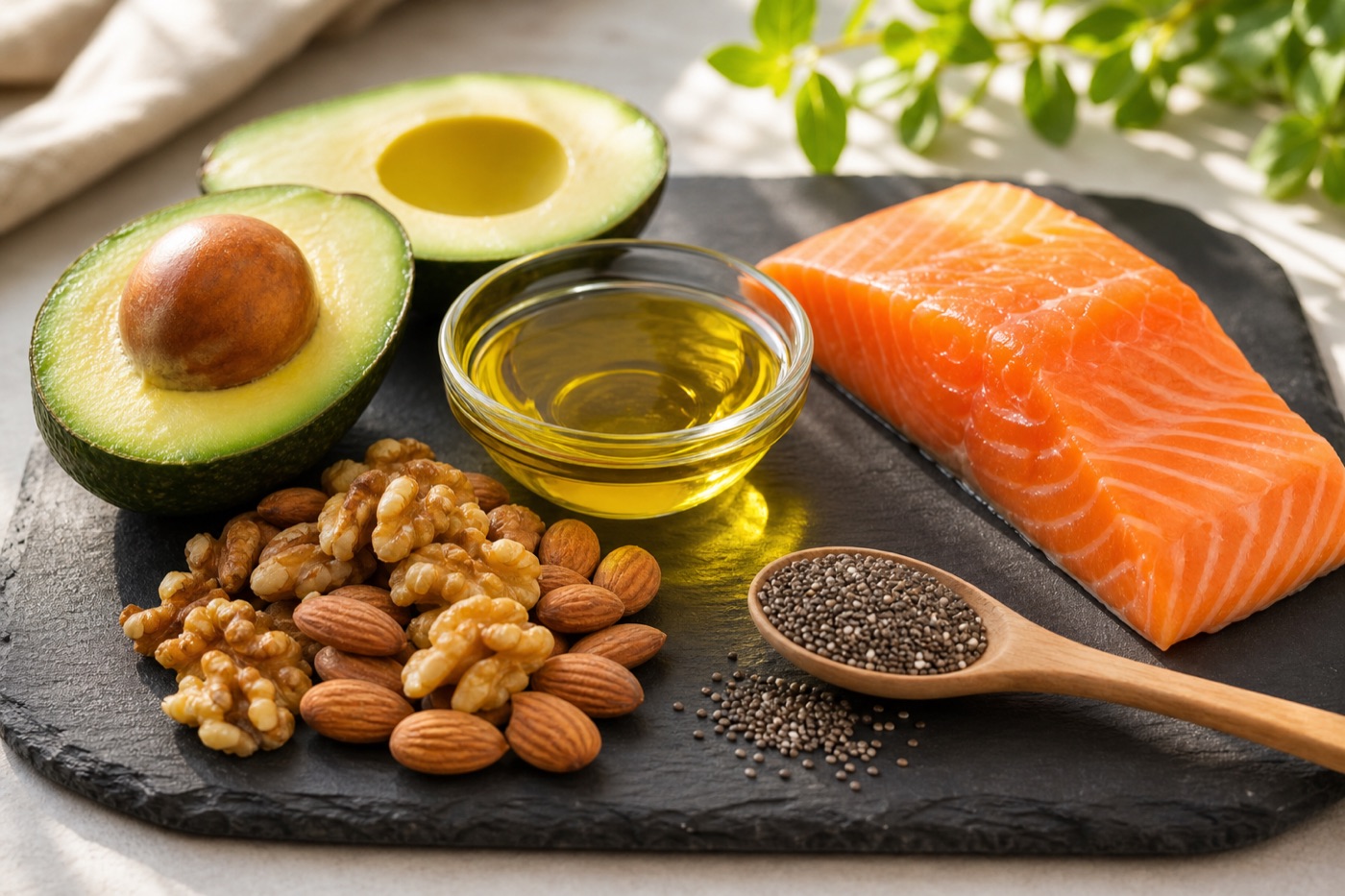
Healthy fats are mainly unsaturated fats, found in olive and canola oil, avocados, nuts, seeds and fatty fish.
Read more →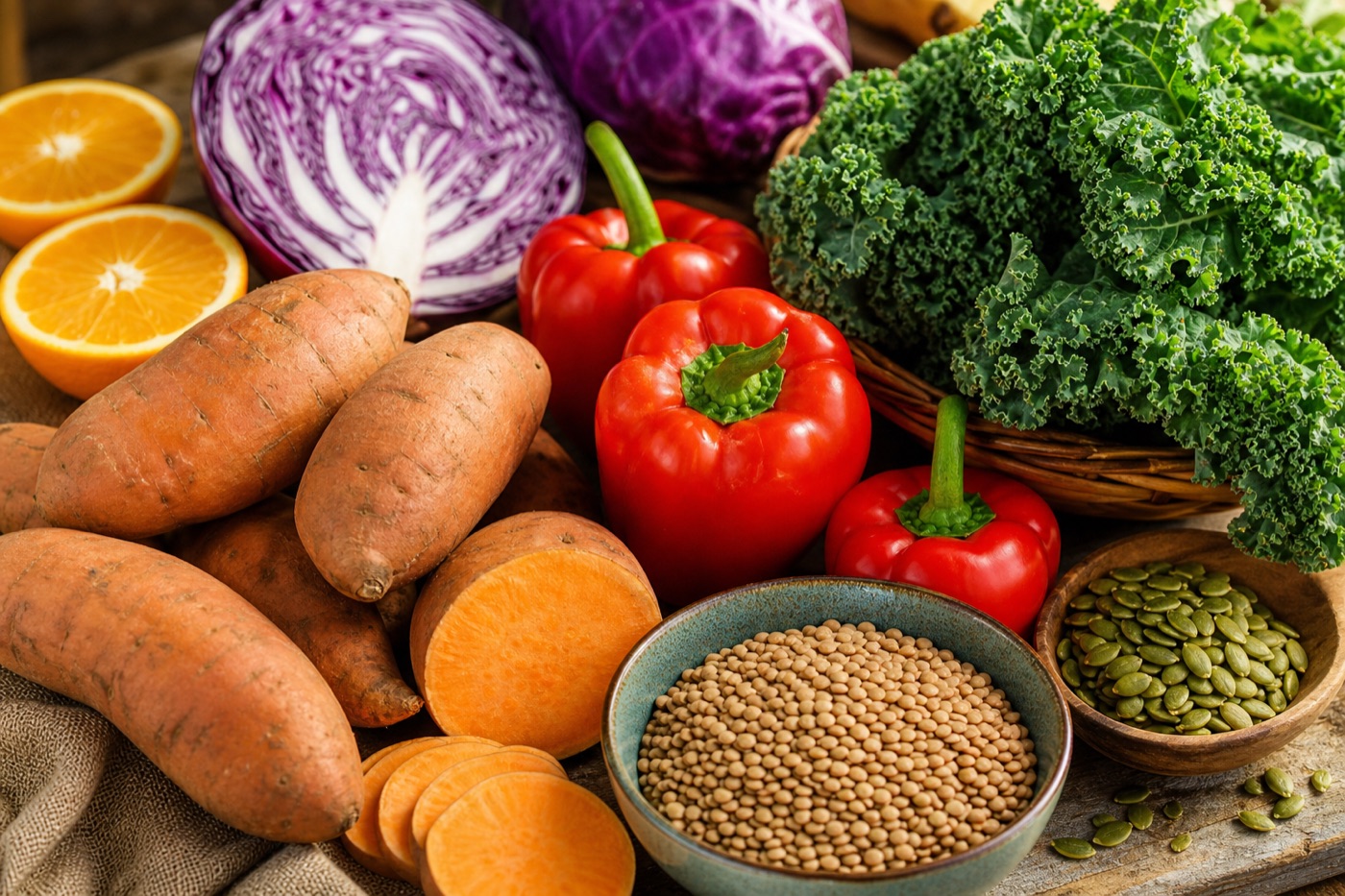
Micronutrients are the vitamins and minerals your body needs in small amounts, measured in milligrams or micrograms rather than grams. Even though you need only a little, they’re essential for turning food into energy, building bones and blood, supporting your immune system, and keeping nerves, muscles and cells working. Unlike protein, carbohydrates and fat, they don’t provide calories, and most people can meet their needs through a varied diet.
Vitamins are organic compounds made by plants and animals. There are 13 essential vitamins, split into two groups:
Minerals are elements from soil and water that end up in plants and animals. They’re grouped by how much you need:
| Nutrient | What it does | Good food sources |
|---|---|---|
| Vitamin A | Vision, immunity, skin | Sweet potatoes, carrots, spinach, eggs, dairy |
| Vitamin C | Immune function, wound healing, iron absorption | Citrus, bell peppers, strawberries, broccoli, kiwi |
| Vitamin D | Calcium absorption, bone health | Fatty fish, fortified milk and plant milks, egg yolks; also made in skin exposed to sunlight |
| Folate | Cell growth, healthy pregnancy | Leafy greens, beans, lentils, fortified grains |
| Vitamin B12 | Nerve function, red blood cells | Fish, meat, eggs, dairy, fortified foods |
| Calcium | Bones, teeth, muscle and nerve function | Dairy, fortified plant milks, calcium-set tofu, kale, canned fish with bones |
| Iron | Carries oxygen in the blood | Beans, lentils, spinach, fortified cereals, red meat, poultry, fish |
| Potassium | Fluid balance, blood pressure, muscle function | Potatoes, beans, bananas, yogurt, dried apricots, leafy greens |
| Magnesium | Energy production, muscles, nerves | Nuts, seeds, whole grains, beans, leafy greens |
| Zinc | Immunity, wound healing, taste | Seafood, meat, beans, nuts, seeds, whole grains |
The Dietary Guidelines for Americans, 2020-2025, flag calcium, potassium, fiber and vitamin D as dietary components of public health concern, because many people don’t get enough of them. Some groups have extra needs to watch:
The National Academies set Dietary Reference Intakes, which include:
A few adult examples: the calcium RDA is 1,000 milligrams for ages 19 to 50; the vitamin D RDA is 600 IU (15 micrograms) for ages 1 to 70; and the iron RDA is 18 milligrams for women aged 19 to 50 and 8 milligrams for adult men. The NIH Office of Dietary Supplements publishes free, detailed fact sheets on each nutrient.
Whole foods deliver vitamins and minerals alongside fiber and other helpful compounds, and they’re hard to overdo. Supplements can fill specific gaps, such as B12 for vegans or folic acid before pregnancy, but more isn’t always better. High doses of some nutrients, including vitamin A, iron and vitamin D, can cause harm, and some supplements interact with medications. In the US, the FDA doesn’t approve dietary supplements for safety or effectiveness before they’re sold. Talk with your doctor or pharmacist before starting one, especially if you’re pregnant, take regular medication or have a health condition.
A few simple habits cover a lot of ground:
Our guide to nutrient density shows how to get more vitamins and minerals per bite, and our explainer on electrolytes covers the minerals that keep your fluids in balance.
Micronutrients are the vitamins and minerals your body needs in small but essential amounts. A varied diet built on vegetables, fruit, whole grains, beans, nuts, seeds and protein foods covers most needs. Pay attention to commonly missed nutrients like calcium, potassium and vitamin D, and get professional advice before taking supplements.
Many healthy adults who eat a varied diet don't need one. A multivitamin or specific supplement may help in certain situations, such as pregnancy, a vegan diet, older age or a diagnosed deficiency. Ask your doctor or a registered dietitian whether one makes sense for you.
Fat-soluble vitamins (A, D, E and K) are absorbed with dietary fat and can be stored in the body, so high supplement doses can build up. Water-soluble vitamins (C and the B vitamins) mostly aren't stored in large amounts, so you need them regularly from food.
Yes, usually from supplements rather than food. Taking more than the Tolerable Upper Intake Level of nutrients like vitamin A, vitamin D or iron can cause harm. Check labels and talk with a healthcare professional before taking high doses.
Vitamin B12 is the most important, since reliable sources are fortified foods or supplements. Vegans also benefit from planning for vitamin D, calcium, iron, zinc, iodine and omega-3 fats. A registered dietitian can help you build a plan that covers them.
This guide is general information, not medical advice. For a health condition, pregnancy or a history of disordered eating, please talk with a doctor or registered dietitian.
Healthy fats are mainly unsaturated fats, found in olive and canola oil, avocados, nuts, seeds and fatty fish.
Read more →Most healthy adults need at least 0.8 grams of protein per kilogram of body weight per day, the Recommended Dietary Allowance.
Read more →The Dietary Guidelines for Americans advise adults to keep sodium under 2,300 milligrams a day, about the amount in one teaspoon of table salt.
Read more →