What Are Macros? Protein, Carbs and Fat Explained
Macros, short for macronutrients, are the three nutrients your body needs in large amounts: protein, carbohydrates and fat.
Read more →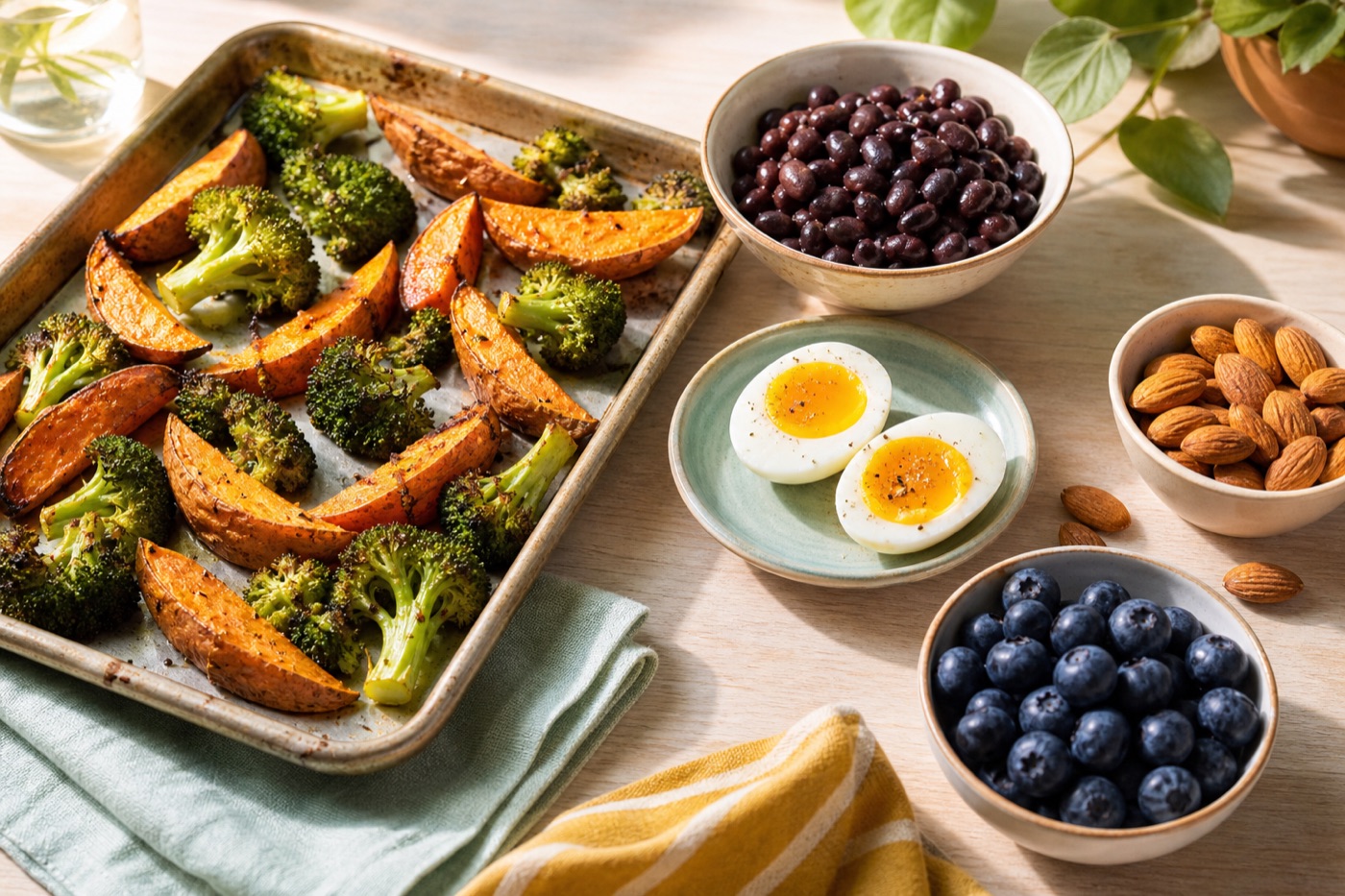
Nutrient density describes how much nutrition a food provides compared with its calories. A nutrient-dense food delivers plenty of vitamins, minerals, fiber, protein or healthy fats, with little added sugar, saturated fat or sodium. Vegetables, fruit, beans, whole grains, nuts, seeds, eggs, fish and plain dairy are classic examples, and choosing them more often helps you meet your nutrient needs without needing to eat more.
These two ideas sound alike but measure different things:
A food can score high on both. Nuts and olive oil are energy-dense but also rich in healthy fats, vitamin E and other nutrients, so they’re still nutritious choices in sensible portions. A sugary soda, by contrast, supplies calories with almost nothing else, which is why such drinks are often said to provide “empty calories.”
The Dietary Guidelines for Americans, 2020-2025, build their advice around nutrient-dense foods and drinks: those that provide vitamins, minerals and other health-promoting components with little or no added sugars, saturated fat and sodium. They estimate that about 85% of daily calories are needed to meet food group recommendations in nutrient-dense forms, leaving about 15% for added sugars, saturated fat, extra helpings or other choices. That flexible slice is a welcome reminder that there’s room for treats.
| Food group | Examples | Standout nutrients |
|---|---|---|
| Vegetables | Leafy greens, broccoli, carrots, sweet potatoes, tomatoes, peppers | Fiber, vitamins A, C and K, folate, potassium |
| Fruit | Berries, citrus, apples, bananas, kiwi | Fiber, vitamin C, potassium |
| Beans and lentils | Black beans, chickpeas, lentils, split peas | Protein, fiber, iron, folate |
| Whole grains | Oats, brown rice, quinoa, barley, whole-wheat bread | Fiber, B vitamins, magnesium |
| Protein foods | Eggs, fish, poultry, tofu, nuts, seeds | Protein, omega-3s, zinc, vitamin B12 in animal foods |
| Dairy and fortified alternatives | Plain milk and yogurt, fortified soy milk | Calcium, vitamin D, protein, potassium |
| Instead of | Try | What you gain |
|---|---|---|
| Sweetened flavored yogurt | Plain yogurt with fresh fruit | Less added sugar, more fiber |
| White rice | Brown rice or a half-and-half mix | More fiber and magnesium |
| Fruit drink | Whole fruit and a glass of water | Fiber and vitamins, no added sugar |
| Chips | A handful of nuts or roasted chickpeas | Protein, fiber, healthy fats |
| Pasta with butter | Pasta tossed with vegetables, beans and olive oil | Fiber, protein, vitamins |
| Sugary cereal | Oatmeal with berries and seeds | Fiber, minerals, steadier energy |
Nutritious food doesn’t have to be expensive. Some of the most nutrient-dense foods are also among the cheapest:
Many traditional dishes from around the world, like rice and beans, lentil dal, vegetable soups and hearty stews, are naturally nutrient-dense, affordable and delicious. If you’re curious about a specific food, USDA FoodData Central lets you look up the nutrients in thousands of items for free.
Nutrient density is a helpful lens, not a reason to judge every bite. Birthday cake, holiday cookies and your favorite takeout all have a place in a healthy, happy life. The goal is to make nutrient-dense foods the foundation of most meals, then enjoy the rest. If you’d like a template, a balanced plate makes this easy, and our guide to micronutrients explains what those vitamins and minerals actually do. For a broader look at whole-food eating without strict rules, see clean eating.
Nutrient density is about getting more vitamins, minerals, fiber and protein for the calories you eat. Vegetables, fruit, beans, whole grains, nuts, seeds, eggs, fish and plain dairy lead the way. Simple swaps, budget-friendly staples and plenty of room for the foods you love make it a practical everyday approach.
Leafy greens and other vegetables, berries and other fruit, beans and lentils, whole grains, nuts and seeds, eggs, fish and plain dairy or fortified soy alternatives are all strong choices. Variety matters more than any single superfood.
No. Nutrient density compares nutrition with calories. Many vegetables are both low in calories and nutrient-dense, but foods like nuts, seeds and olive oil are higher in calories and still nutrient-rich. A low-calorie food with few nutrients isn't nutrient-dense.
Yes. Nuts provide healthy fats, protein, fiber, vitamin E, magnesium and other nutrients, so they're considered nutrient-dense. A small handful is a typical portion, which gives you those benefits without a large calorie load.
Build meals around affordable staples like dried or canned beans, lentils, oats, brown rice, eggs, frozen vegetables, cabbage, carrots, bananas, peanut butter and canned fish. Buying in season and choosing store brands also helps.
This guide is general information, not medical advice. For a health condition, pregnancy or a history of disordered eating, please talk with a doctor or registered dietitian.
Macros, short for macronutrients, are the three nutrients your body needs in large amounts: protein, carbohydrates and fat.
Read more →A balanced plate is a simple way to build meals: fill about half your plate with vegetables and fruit, about a quarter with whole grains or other starchy foods, and about a quarter with protein, then add a little healthy fat and a drink like water or milk.
Read more →